TS 825, “Thermal Insulation Requirements for Buildings”, is one of the basic technical frameworks determining building energy performance in Türkiye. It aims to control the energy needed for heating and cooling, improve comfort conditions and reduce energy losses.
What Is TS 825?
TS 825 defines how thermal insulation calculations should be performed, considering criteria such as the building envelope's thermal transmittance, climate conditions, building use and energy demand. The current standard, dated October 2024, was made mandatory through the relevant communiqué published in 2025.
What Does the Standard Cover?
- Calculating buildings' net heating and net cooling energy demand
- Maximum permissible heat loss and heat gain values
- Thermal performance of building elements such as external walls, roofs, floors, windows and doors
- Assessing condensation risk and reducing thermal bridges
Why Is It Important?
Insulation means more than lower energy bills. A properly designed building envelope maintains more stable indoor temperatures, reduces condensation and damp risks, extends the life of building elements and positively affects Energy Performance Certificate performance.
Considerations at the Design Stage
TS 825 calculations should be addressed early in building design. Correct assessment of climate zone, facade orientation, glazed areas, roof type and intended use ensures both regulatory compliance and long-term energy efficiency.
Thermal Transmittance (U-Value)
The U-value expresses the amount of heat passing through a building element. The lower the value, the better the element retains heat. Material thickness and thermal conductivity must be considered together when designing external wall, roof and floor layers.
Thermal Bridges
Columns, beams, balcony slabs, window edges and connection points can form thermal bridges. Discontinuous insulation in these areas increases energy loss and may cause condensation on internal surfaces.
How Should Materials Be Selected?
Compliance with TS 825 is not achieved through material thickness alone. Thermal conductivity, fire class, water absorption behaviour, compressive strength and suitability for the application must be assessed together.
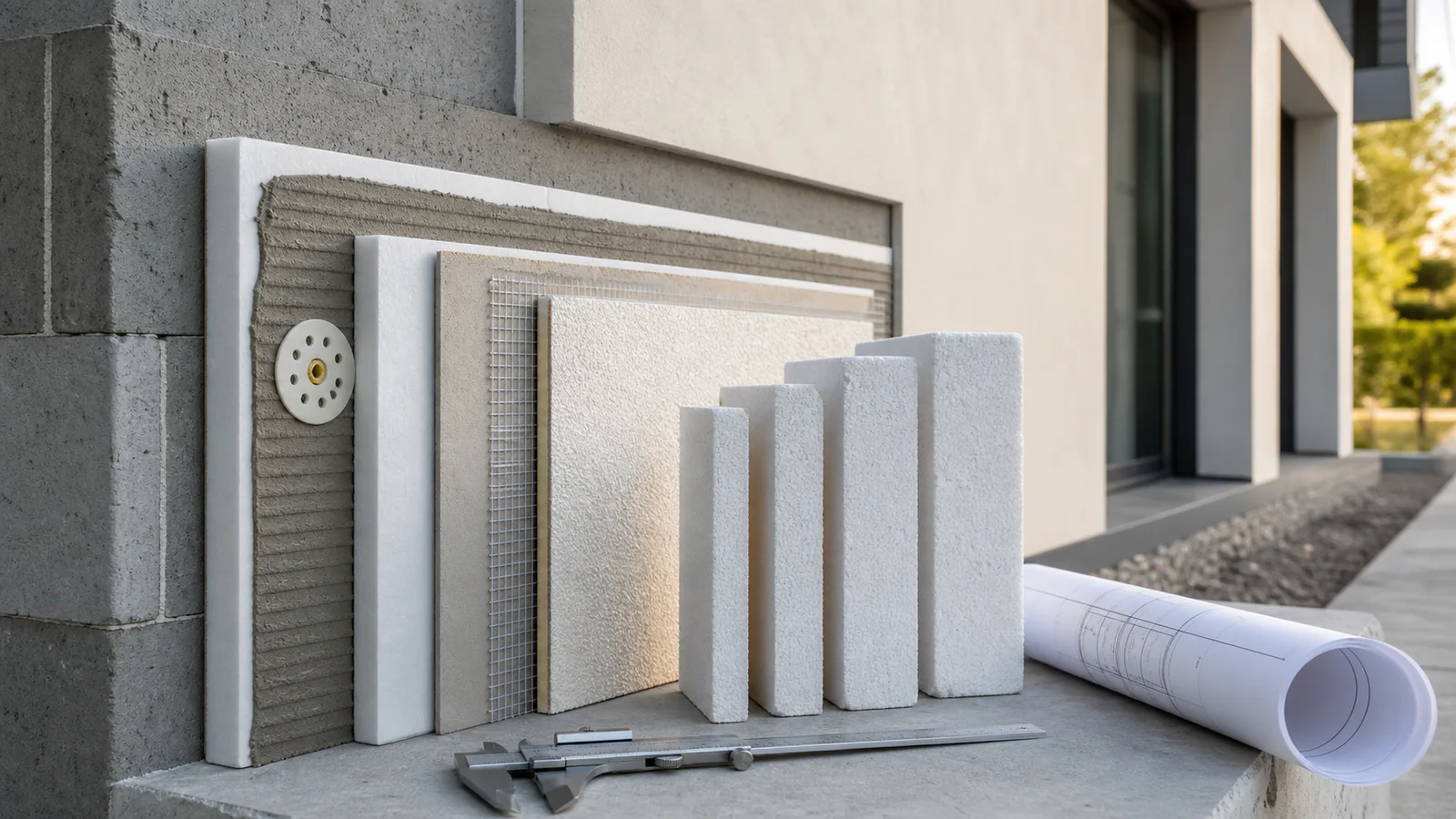
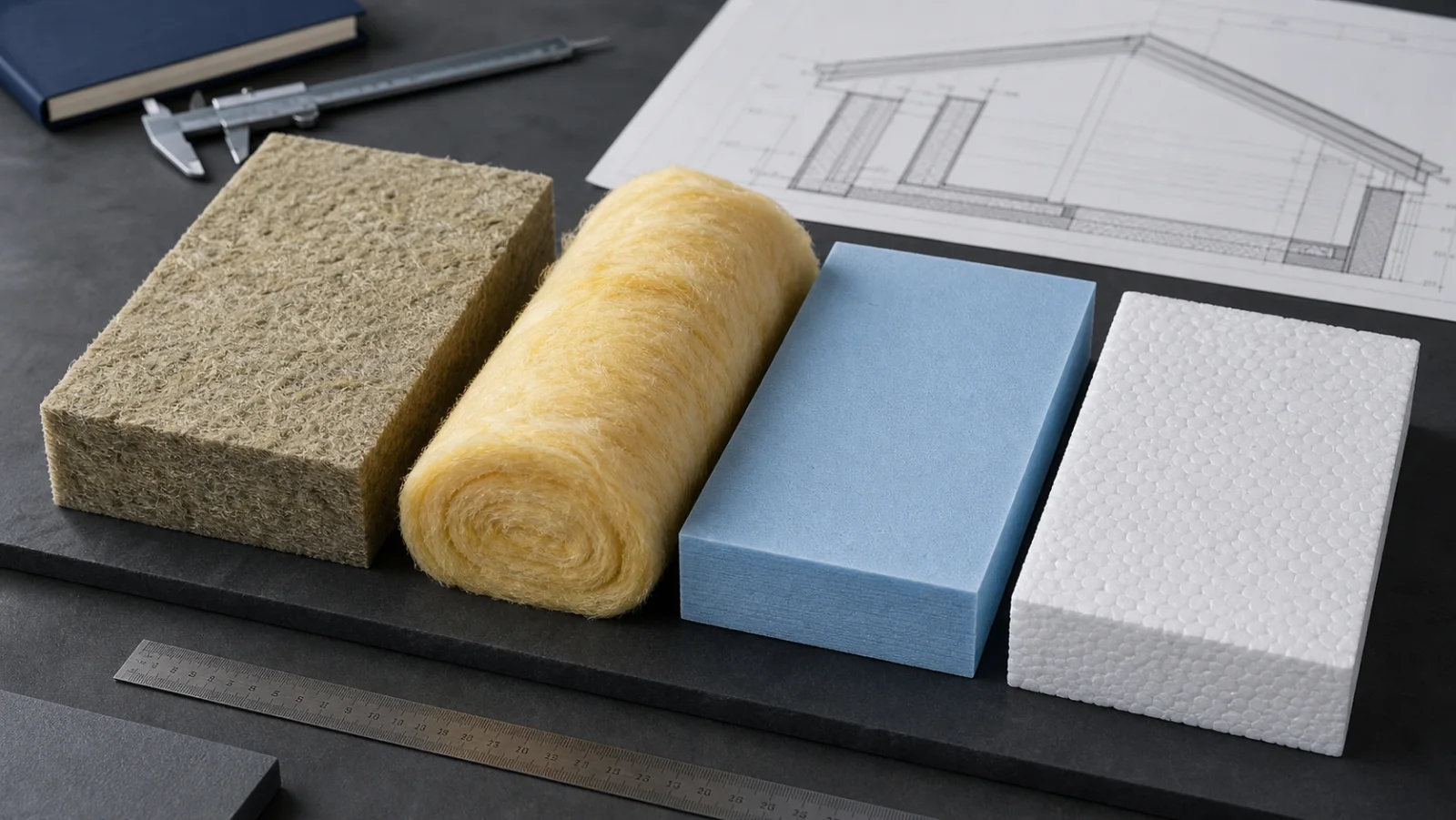
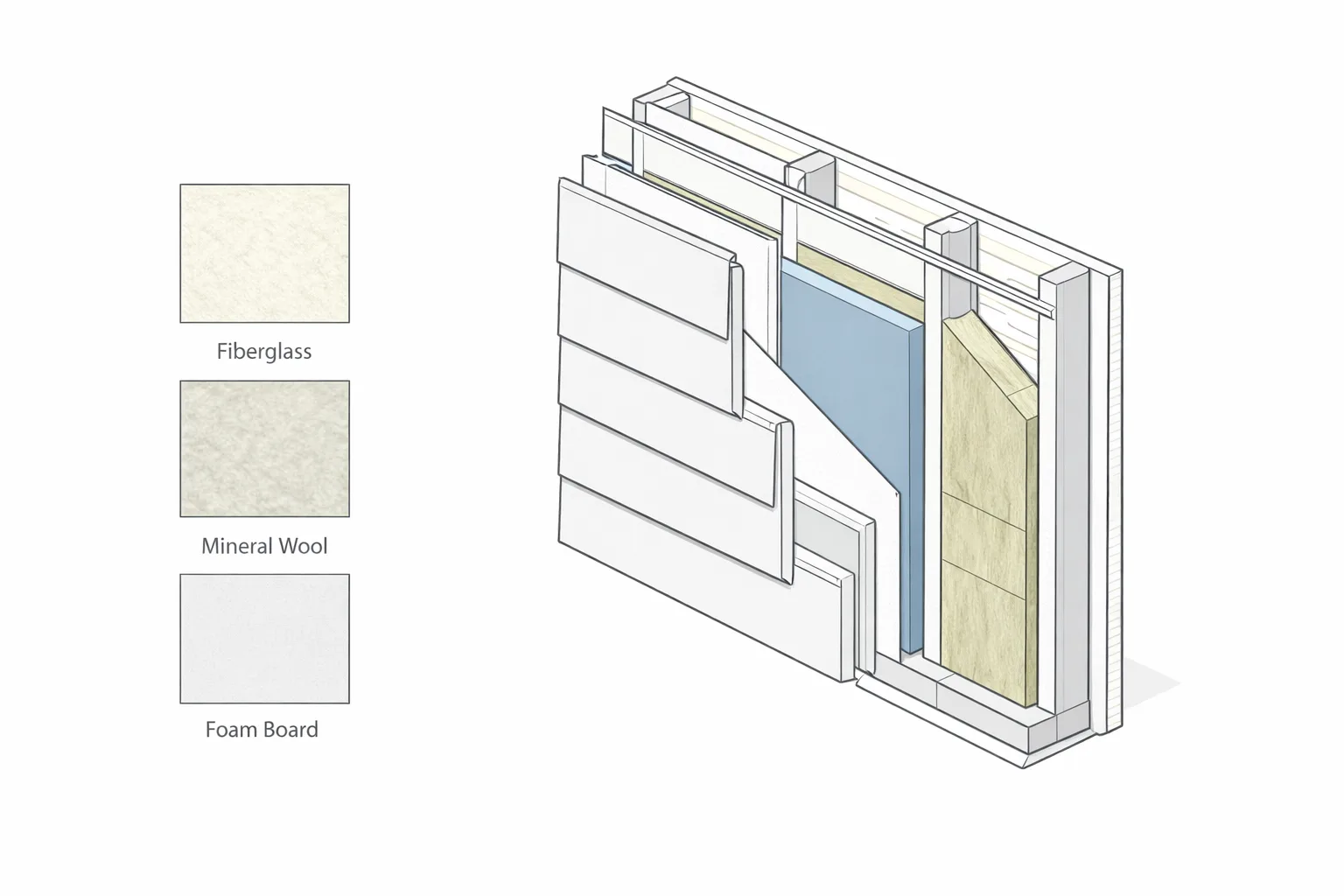
- External facades: EPS, XPS or stone wool systems may be selected according to project requirements.
- Roofs: Glass wool and stone wool blankets offer strong solutions for loft applications.
- Foundations and floors: Water- and compression-resistant products such as XPS may be preferred.
- Areas prioritising fire safety: A1-class mineral wool products stand out.
Installation Quality Is as Important as the Standard
Even with correct design calculations, on-site installation mistakes reduce performance. Open board joints, anchor and adhesive errors, missing vapour barriers or neglected window perimeter details can increase heat loss.
Checklist
- Were TS 825 calculations based on the current standard and climate data?
- Do insulation thicknesses and U-values match the design?
- Have detail solutions been prepared for thermal bridges?
- Is the material suitable for the application in terms of fire, moisture and mechanical resistance?
- Were junctions and details checked after installation?
Frequently Asked Questions
Does TS 825 apply only to new buildings?
The standard is particularly important to permitting and energy performance processes for new projects. It should also be used as a reference for correct thickness and material selection in existing building improvements and external wall insulation work.
Is thicker insulation always better?
Insulation thickness is important, but it is not the only criterion. Thermal conductivity, application area, moisture behaviour and detail solutions must be assessed together.
Who should carry out TS 825 calculations?
Thermal insulation projects should be prepared by specialist engineers or design teams familiar with the relevant regulations and standards. The system installed on site must also be selected to match these calculations.
Conclusion: TS 825 is both a legal requirement and the technical basis for correct insulation decisions in energy-efficient, comfortable buildings. Design calculations, suitable material selection and quality installation together produce lasting, efficient results.