Loft thermal insulation
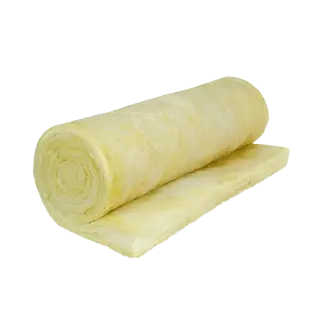
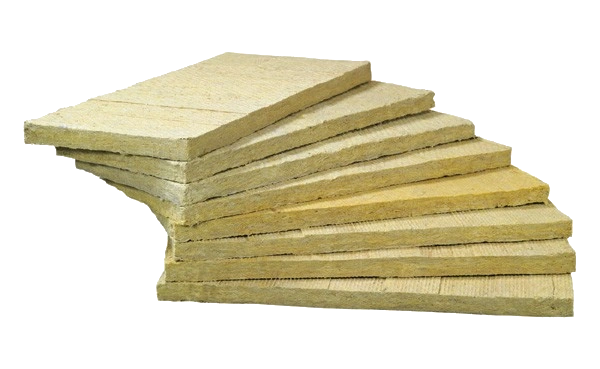
Glass wool blankets and mineral wool solutions for unused lofts or pitched roofs.
Pitched and flat roof solutions
Roof insulation is a layered solution protecting the building against heat loss, rain, snow, condensation and summer heat. Material selection and layer order differ between unused lofts, pitched roofs and flat roof details.
Glass wool blankets and mineral wool solutions for unused lofts or pitched roofs.
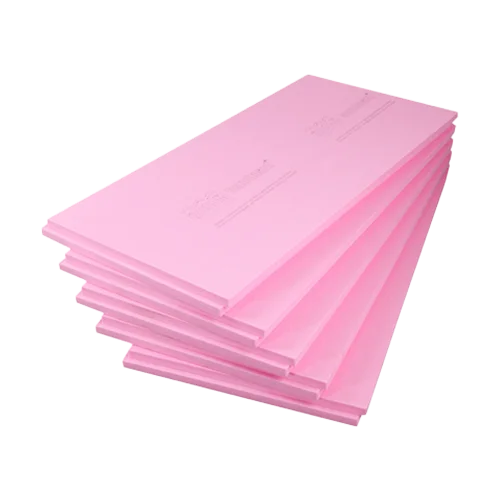
XPS options for details requiring low water absorption and mechanical strength.
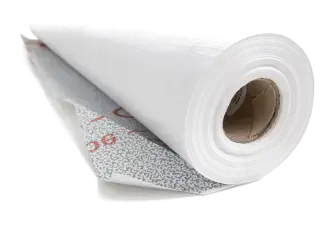
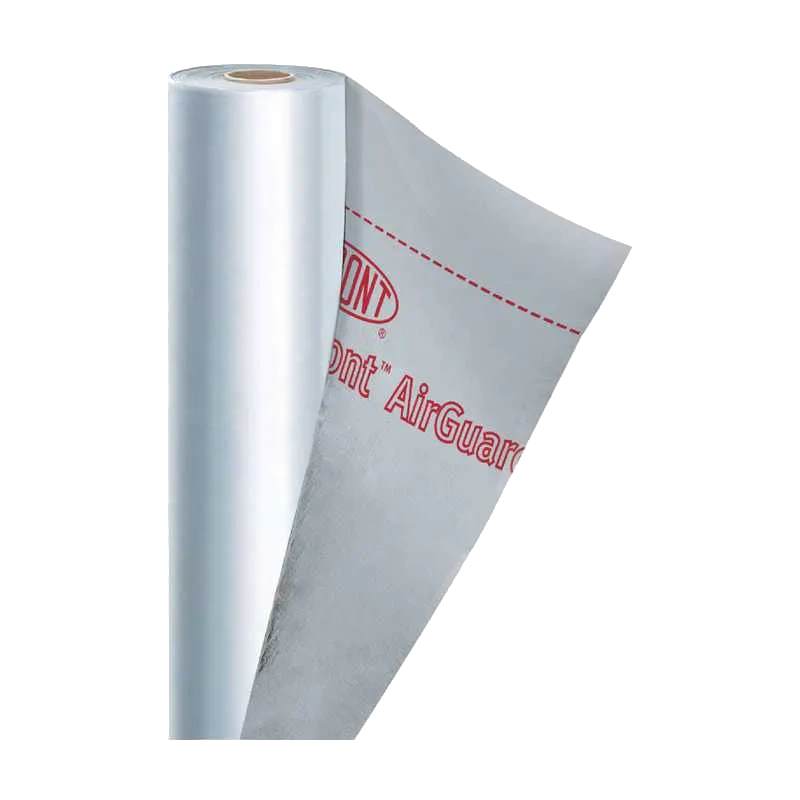
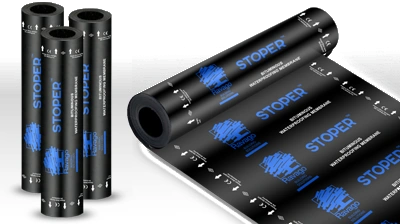
Vapour control, vapour-permeable underlay and waterproofing membrane products.
In pitched roofs, glass wool or suitable mineral wool products reduce heat loss at loft floor level or between rafters. A vapour control layer limits indoor moisture entering the insulation layer; the outer vapour-permeable membrane protects against wind-driven water while helping the system dry.
In flat roofs, compressive strength and low water absorption become important. XPS or flat roof board must be assessed together with the waterproofing membrane, slope and drainage details. Parapets, drains, chimneys and service penetrations need as much attention as the main roof surface.
In unused cold roofs, a roof blanket laid over the floor is a practical thermal insulation solution. In pitched roofs converted into living space, insulation between rafters, airtightness, vapour control and the ventilation cavity are considered as one system.
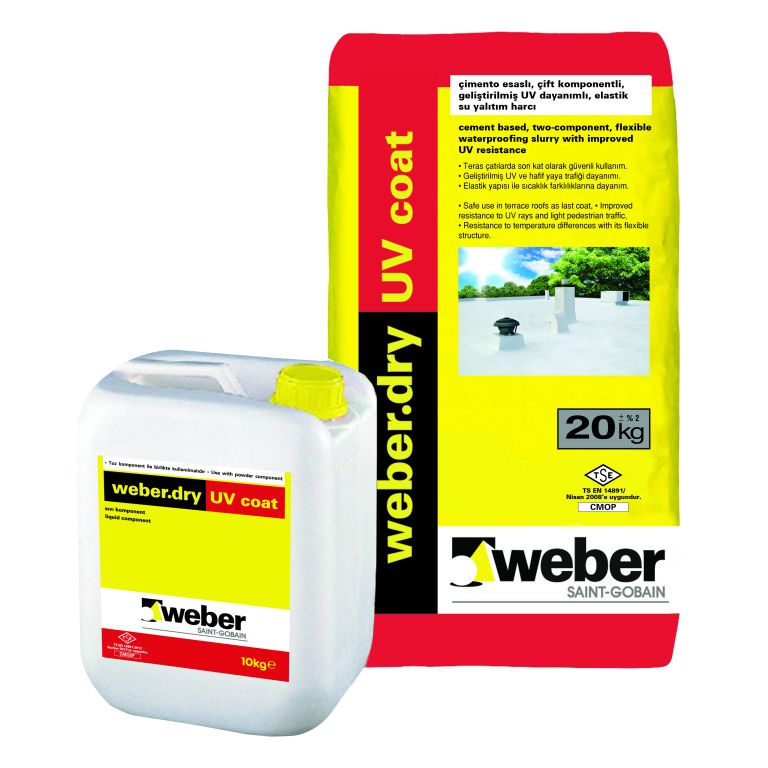
In accessible or covered flat roofs, mechanical loads, water drainage, UV exposure and the risk of wetting the thermal insulation must be considered. As conventional and inverted roofs have different layer sequences, the application details must be defined according to the project.
Product options
Open a product to view its technical specifications, applications and documentation.
Materials vary by roof type. Glass wool or mineral wool blankets are used in lofts; XPS and a suitable waterproofing membrane on flat roofs; and vapour control membranes between layers where needed.
No. Thermal insulation, waterproofing, airtightness, vapour control and ventilation must be considered together. An error in any one of these layers can cause condensation or leakage.
Roof type, area, selected product and thickness, membrane type, surface preparation and detail points determine the cost. A roof plan or application area information is required for an accurate quantity calculation.
Share your application, dimensions, thickness and estimated quantities, and speak to our team about suitable product options.