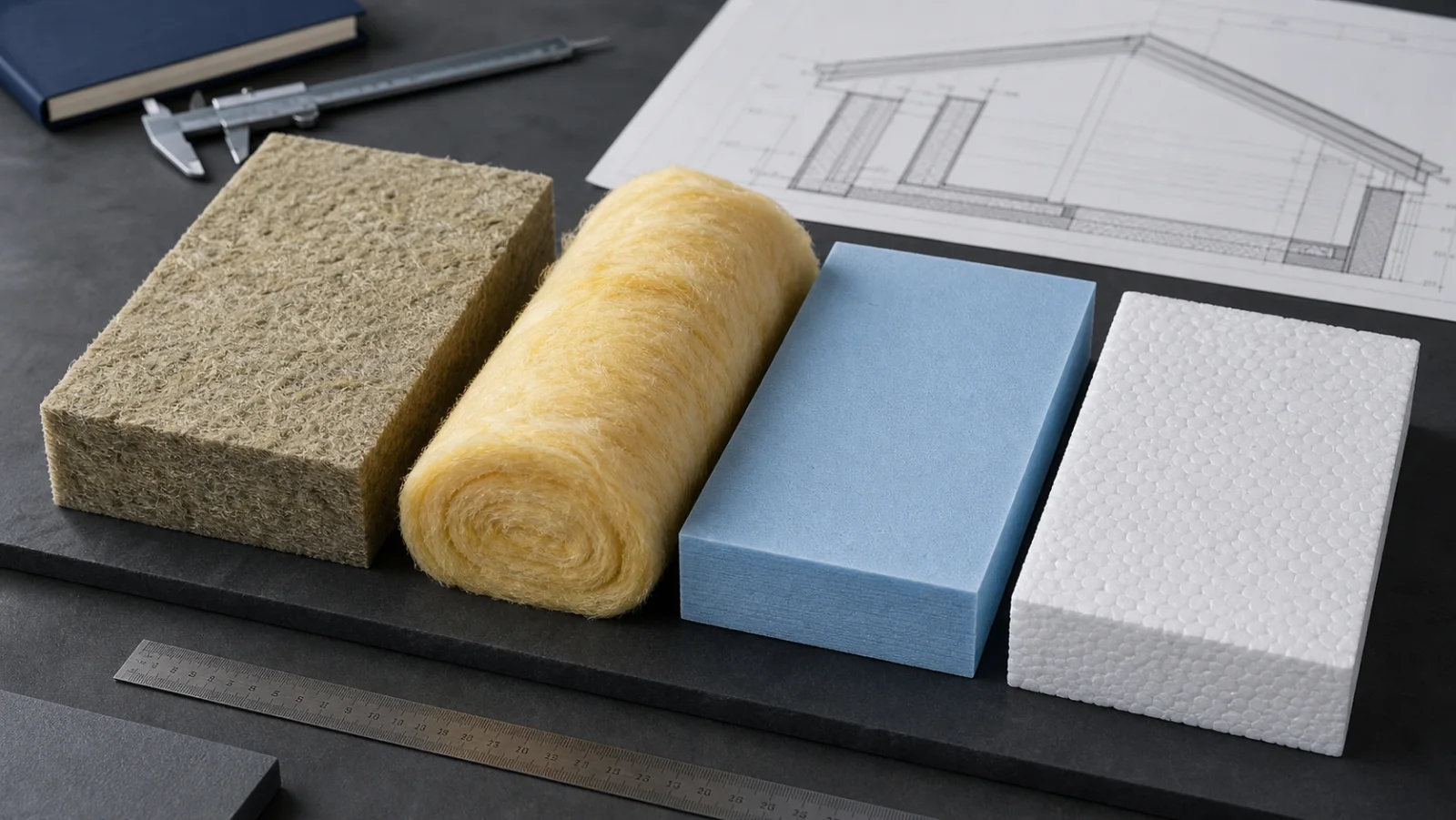
Choosing the right thermal insulation material is a critical decision for safety and comfort as well as energy savings. Stone wool, glass wool, XPS and EPS differ in their applications, performance values and costs.
1) Stone Wool (Mineral Wool)
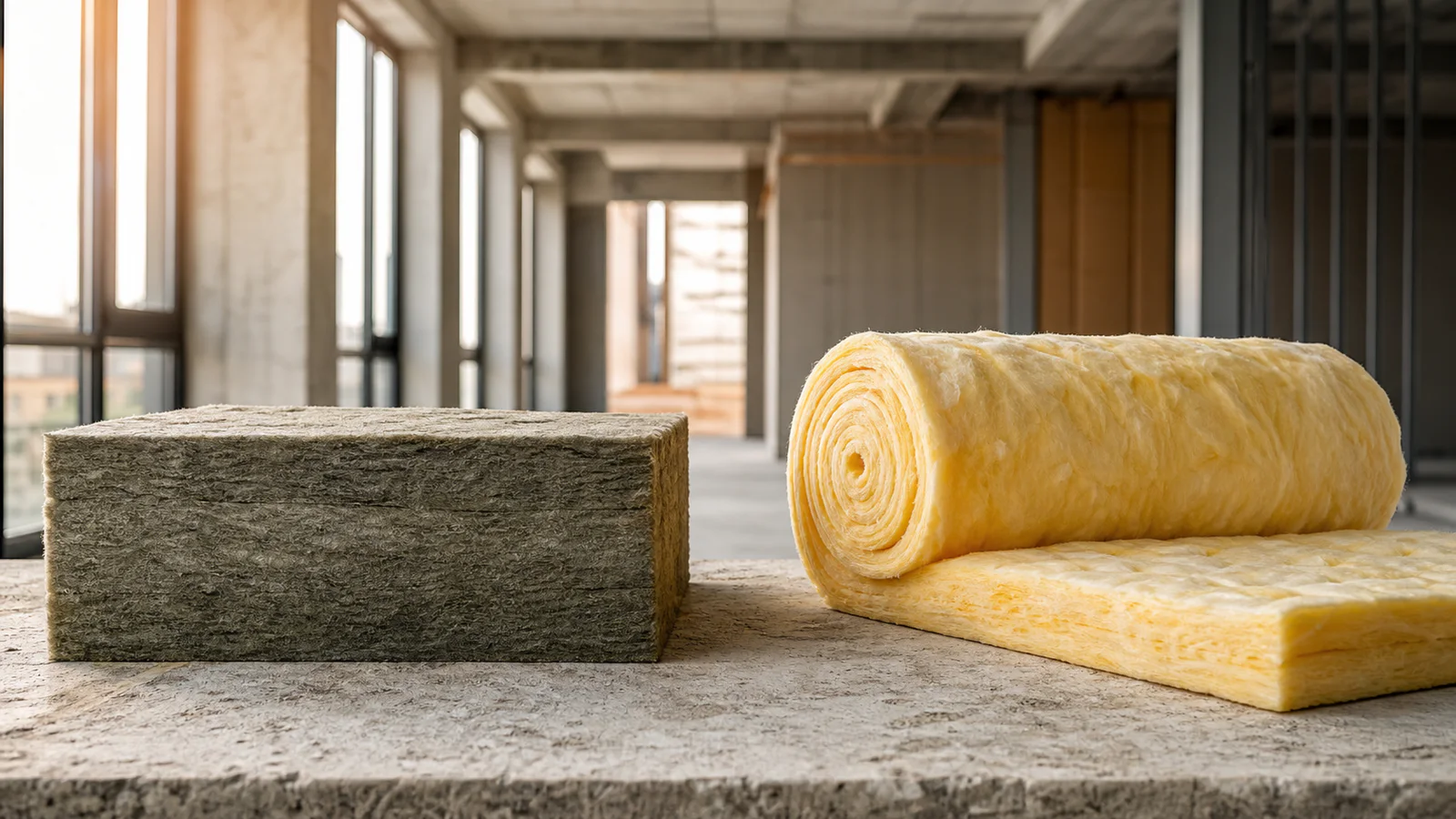
Stone wool is produced by melting basalt rock at high temperatures. Its A1-class non-combustible properties make it a strong fire safety solution. Its high density also provides good sound insulation.
- Advantages: Non-combustibility, acoustic performance, breathability
- Disadvantages: Requires protection against water; may cost more than other foam materials
2) Glass Wool
Glass wool is a mineral wool made from recycled glass. Like stone wool, it provides thermal and sound insulation. Its light weight makes it easy to install.
- Advantages: Low weight, high thermal insulation, economical options
- Disadvantages: Performance may decrease if exposed to water
3) XPS (Extruded Polystyrene)
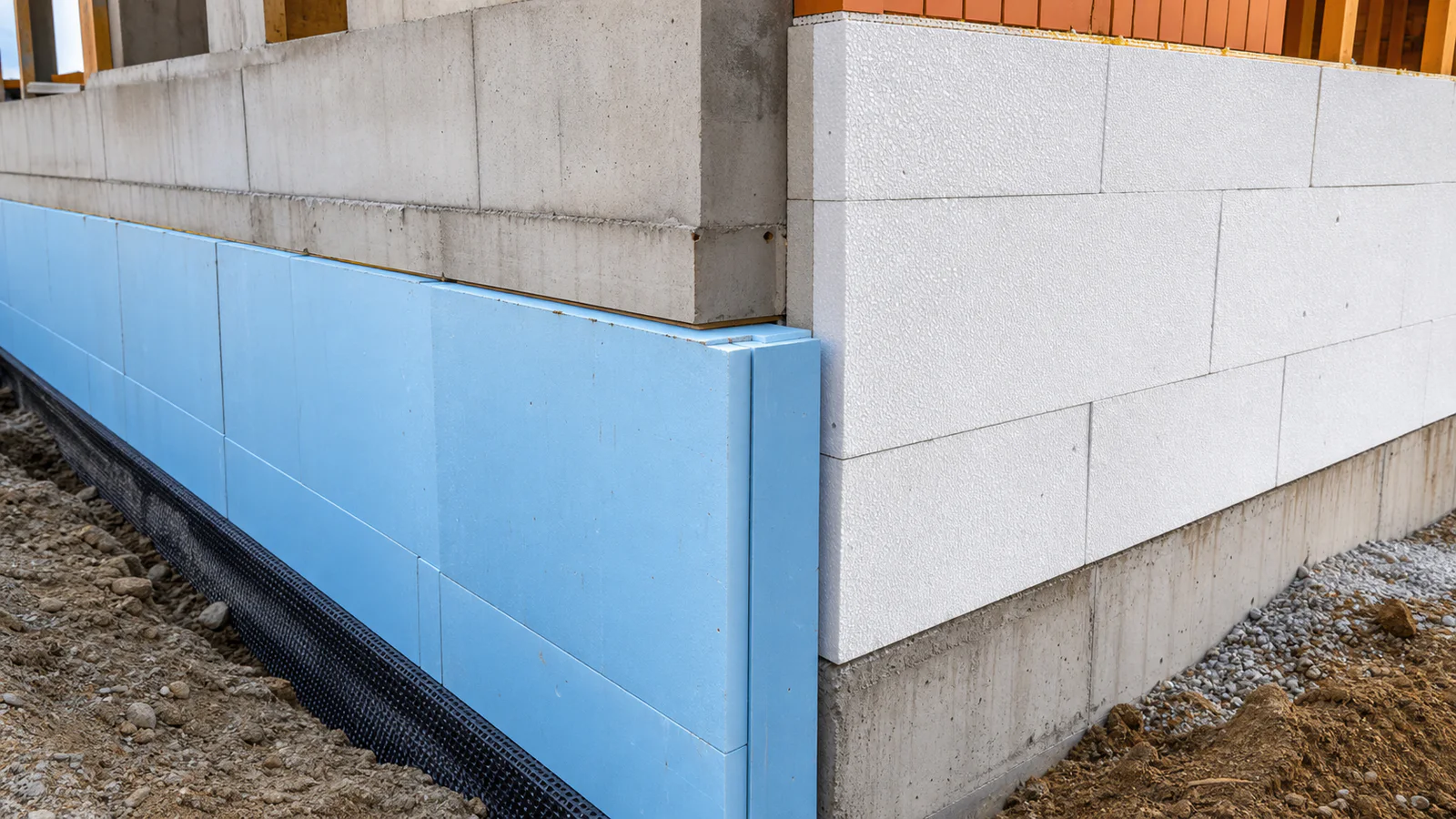
XPS has a closed-cell structure and very low water absorption. It is therefore preferred in damp areas such as foundations, terraces and floors.
- Advantages: Water resistance, high compressive strength
- Disadvantages: Lower fire performance class than mineral wools
4) EPS (Expanded Polystyrene)
EPS is often chosen for economical external wall insulation projects. It offers high thermal insulation performance, but is less strong than XPS in water absorption and mechanical resistance.
- Advantages: Affordable cost, easy installation
- Disadvantages: Sensitive to water, limited fire resistance
Performance Criteria
- Thermal Conductivity (λ): Lower λ provides better insulation.
- Compressive Strength: A critical criterion for floors and terraces.
- Breathability: Important for condensation control.
- Fire Resistance: A1-class materials should be preferred.
Which Material Should Be Used Where?
- Lofts: Glass wool or stone wool
- Foundations and floors: XPS
- Economical external wall insulation: EPS
- Buildings prioritising fire safety: Stone wool
Frequently Asked Questions
Is XPS or EPS better?
XPS is more suitable in damp areas exposed to water, while EPS is more suitable for dry, economical applications.
Why is stone wool more expensive?
Its non-combustibility class, acoustic performance and dense structure increase its cost.
Conclusion: There is no single “best” material. The correct choice should reflect building type, climate, budget and safety criteria. Professional project calculations and installation details help achieve the highest efficiency.