Roof insulation is one of the applications with the greatest impact on a building's energy performance. As warm air rises, an uninsulated roof is a main source of heat loss in winter and heat gain in summer. Properly installed roof insulation can save up to 30–40% on heating and cooling costs.
Why Is Roof Insulation So Important?
The roof is one of the largest surfaces of a building's external envelope. Inadequate insulation increases energy bills, reduces indoor comfort and shortens the life of building elements. It can also increase condensation risk, leading to mould, damp and unhealthy living conditions.
How Does Heat Loss Occur?
Heat moves from warm areas to cold areas. Without sufficient insulation in the loft, heat from the heated interior escapes outside. In summer, solar heat enters through the roof covering, increasing the air-conditioning load.
Insulation Approaches by Roof Type
Unused Lofts
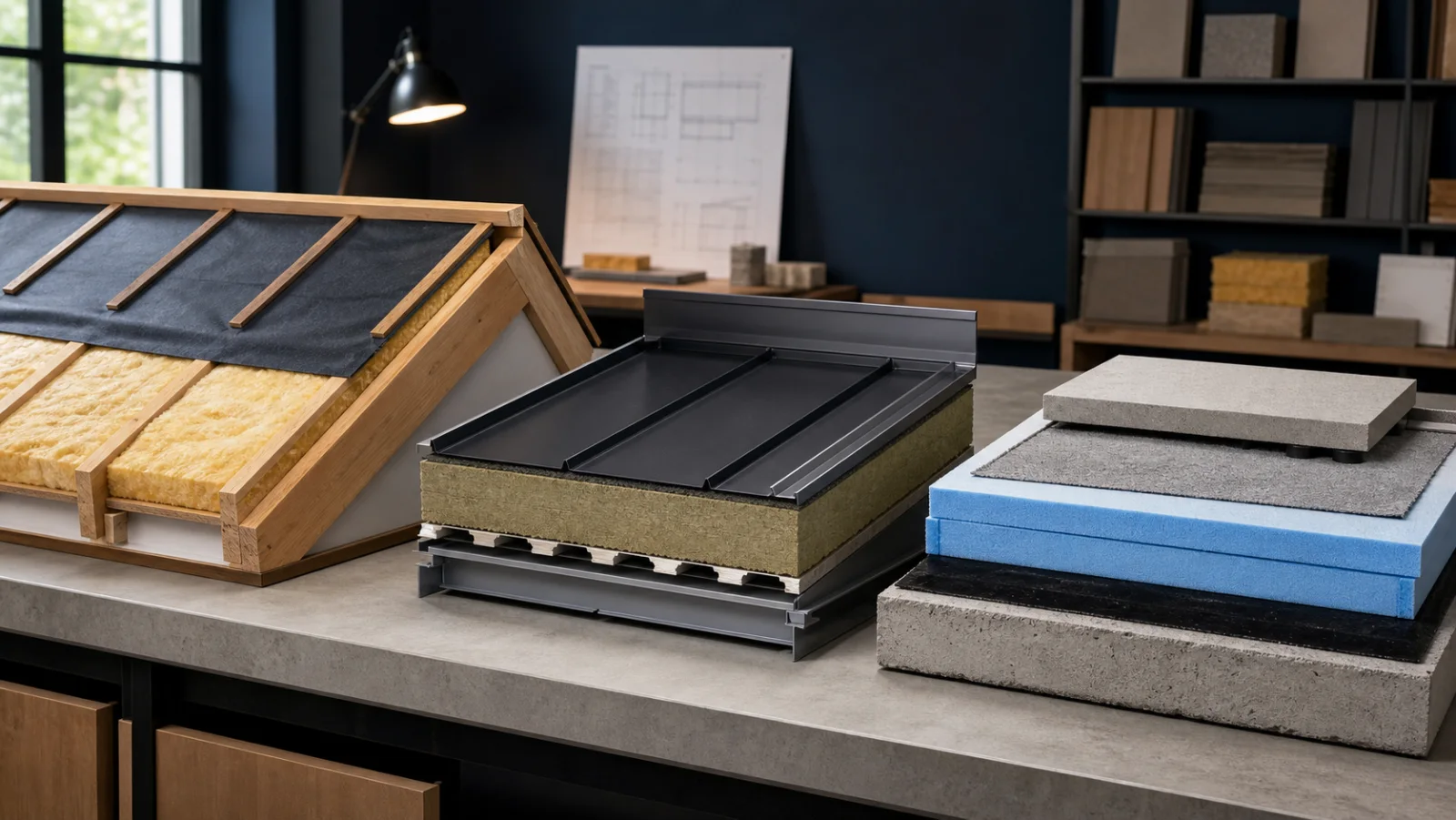
For these roofs, the most economical and effective method is to lay blankets of glass wool or stone wool over the floor. Installation is quick, maintenance requirements are low and results are achieved in a short time.
Lofts Used as Living Space
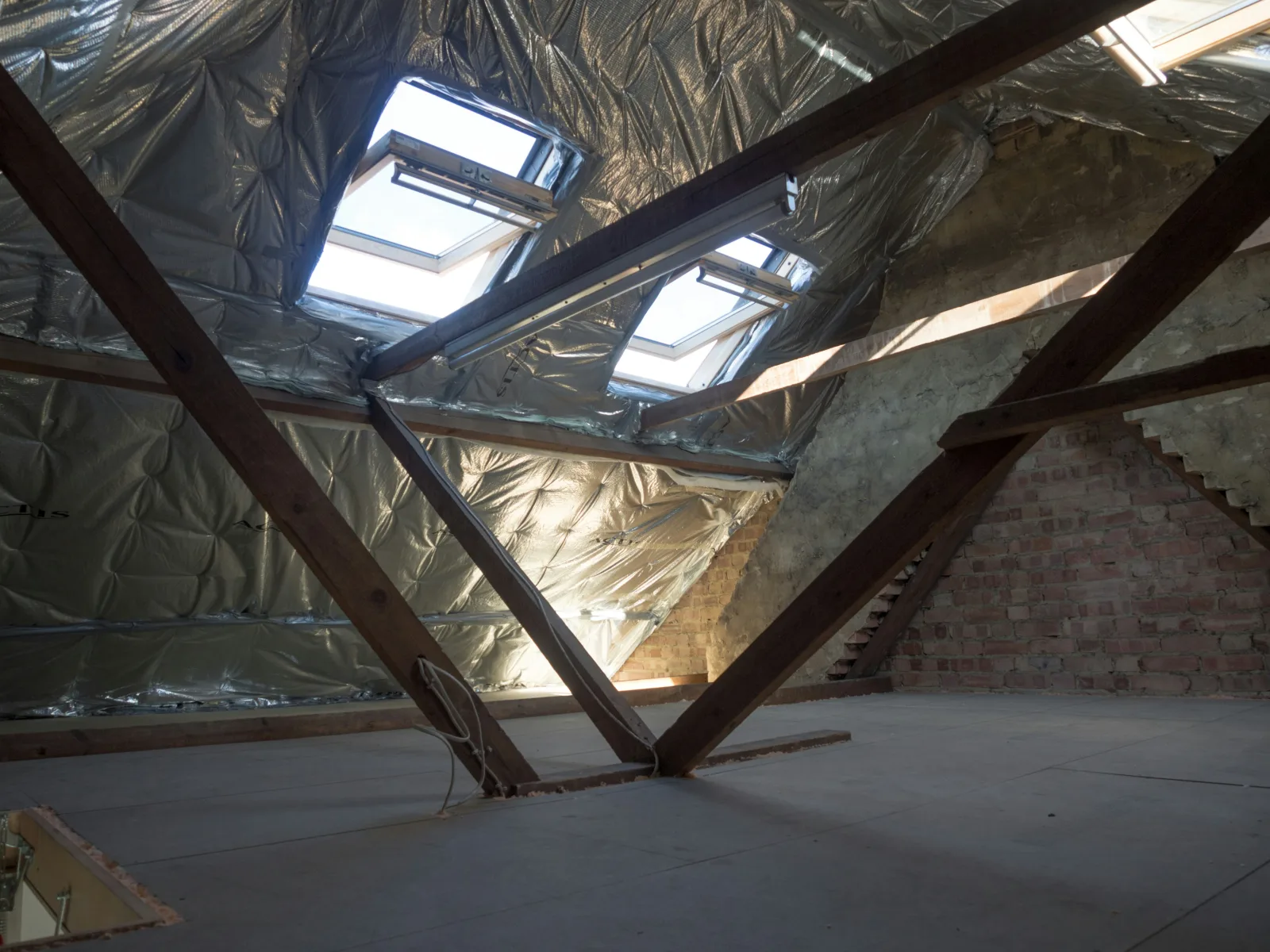
In these areas, insulation follows the roof slope. Installation between beams must prevent thermal bridges, and vapour barriers and ventilation cavities must be correctly arranged.
Choosing Materials: What Should You Consider?
- Thermal Conductivity (λ): A lower λ value provides better insulation.
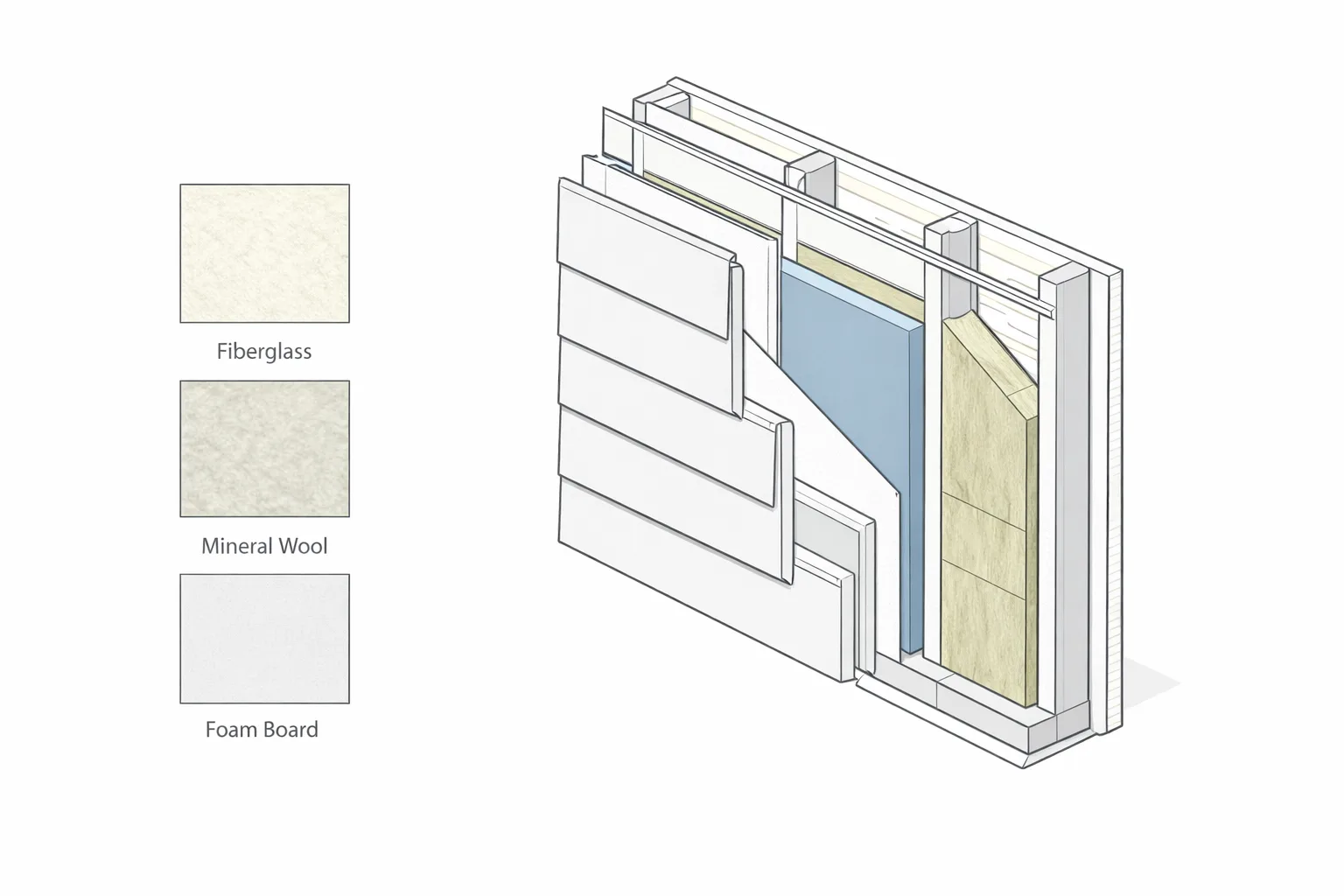
- Fire Resistance: Mineral wools provide A1-class non-combustibility.
- Sound Insulation: Stone wool and glass wool provide acoustic comfort.
- Water Vapour Permeability: Breathable systems reduce condensation risk.
How Is the Correct Thickness Determined?
Thickness must be calculated according to the climate zone, building type and target energy class. In most regions of Türkiye, a minimum insulation thickness of 8–12 cm is recommended. A professional heat-loss calculation is the most reliable way to determine the correct thickness.
Vapour Barrier and Ventilation Details
In roof insulation, the vapour barrier layer is positioned on the warm side and prevents moisture from the interior entering the insulation layer. A sufficient ventilation cavity must also be left between the roof covering and insulation.
Critical Installation Details
- The vapour barrier must be correctly installed on the warm side.
- Joints must be staggered and free of gaps.
- Ventilation cavities must not be blocked.
- Thermal bridges at beams and connection points must be reduced.
Roof Insulation Checklist
- Does the material thickness match the project calculation?
- Are joints and junctions fully closed?
- Are the vapour barrier and ventilation cavity correct?
- Have layers compatible with the waterproofing been used?
Frequently Asked Questions
Does roof insulation work in summer too?
Yes. By reducing solar heat entering through the roof, it lowers indoor temperatures and reduces air-conditioning use.
How long does roof insulation take to pay for itself?
The installation cost depends on the building's size. Under average conditions, the investment pays back in 2–4 years.
Conclusion: Roof insulation is essential for energy savings, comfort and building life. With the right materials and installation quality, high efficiency can be maintained for many years.