Flat roofs are building elements directly exposed to both rainwater and large temperature differences. Adding waterproofing alone or thermal insulation alone is therefore often insufficient. The layers must work together for a lasting solution.
Why Does a Flat Roof Need a Layered System?
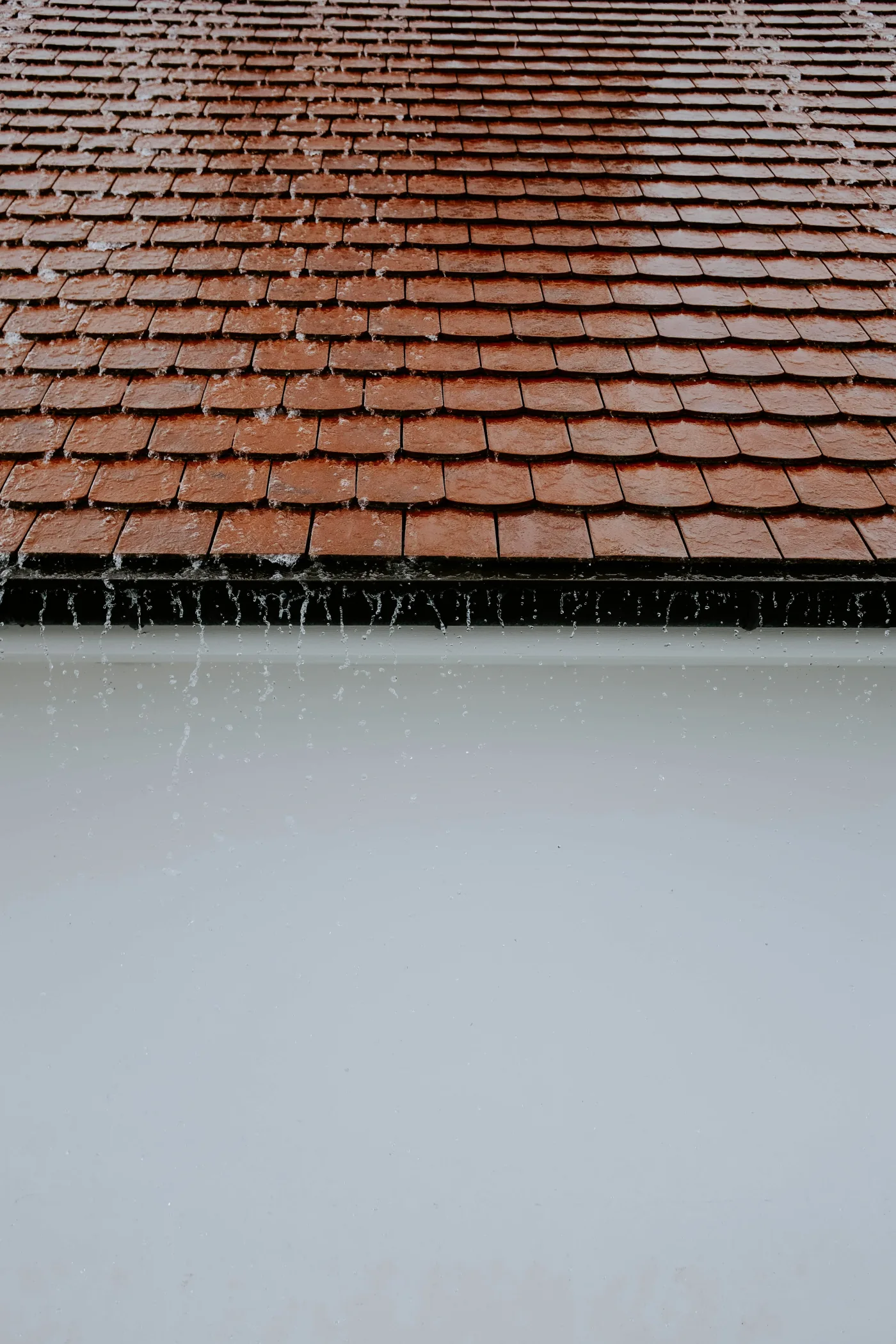
A flat roof requires correct water drainage, reduced heat loss, controlled vapour movement and protection of insulation layers against mechanical effects. Different materials perform these tasks, so the system is designed in layers.
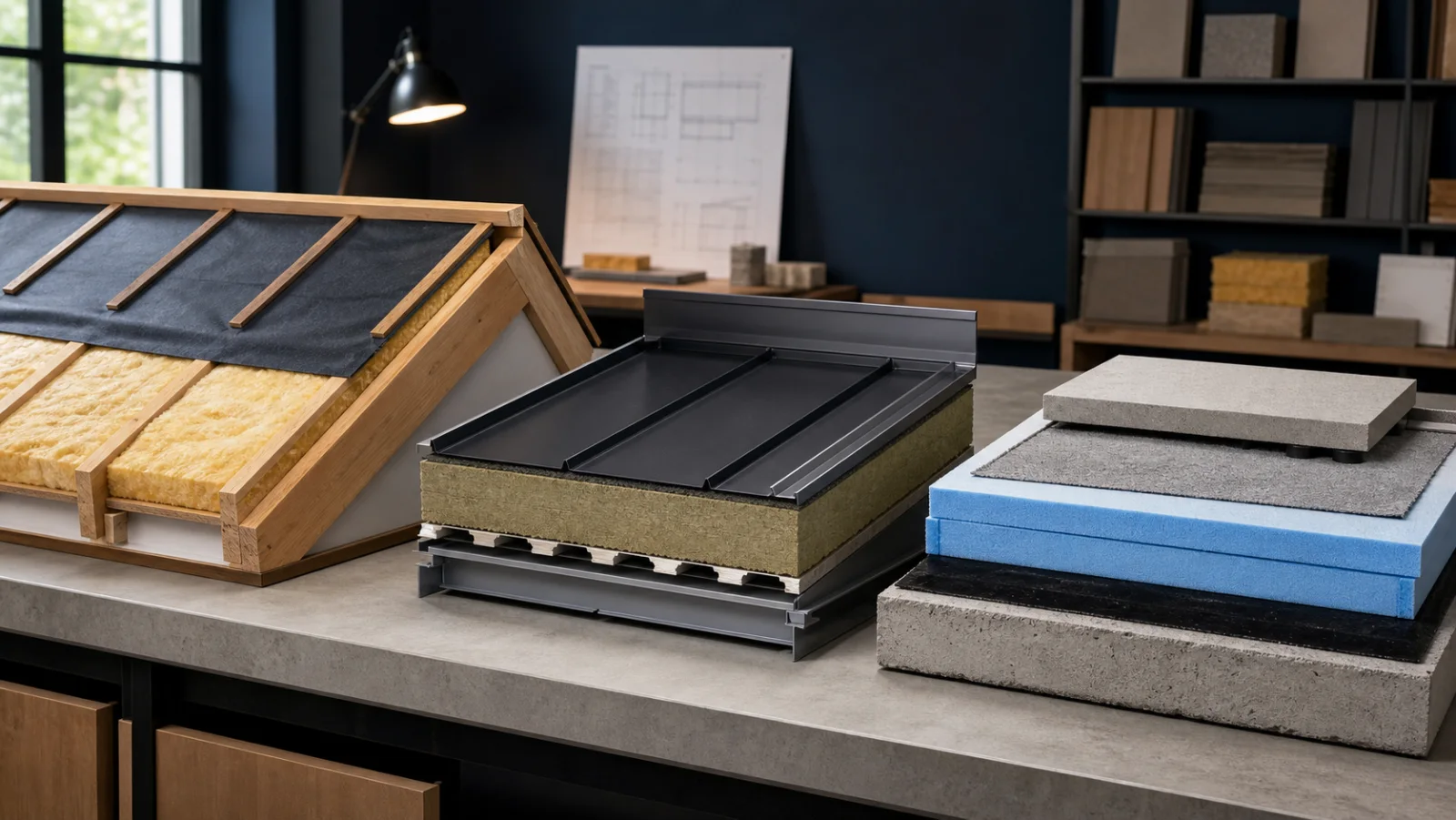
Correct Flat Roof Layers
- Structural slab and surface preparation
- Concrete or screed laid to falls
- Vapour barrier layer
- Thermal insulation board
- Waterproofing membrane or liquid-applied waterproofing system
- Protection layer and final covering
Why Is XPS Often Used on Flat Roofs?
XPS boards are frequently chosen for flat roof details thanks to low water absorption and high compressive strength. Compressive strength becomes particularly important on roofs subject to foot traffic, coverings or mechanical loads.
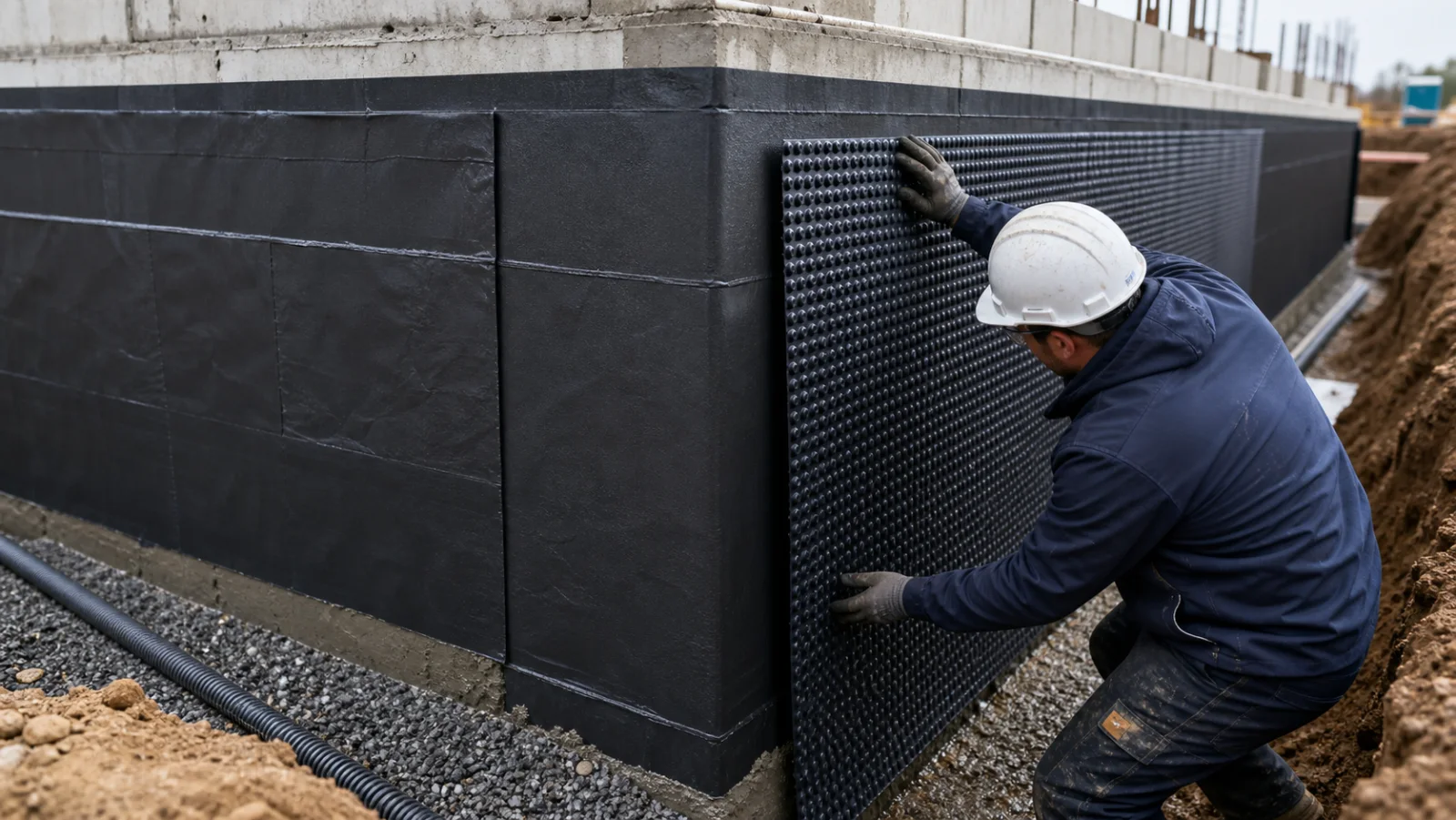
Waterproofing Details
Joints, parapet upstands, drain perimeters and expansion joint details are the most critical waterproofing points. Even a small installation error here can cause leakage. Membrane overlaps, fillets and drain connections must be checked carefully.
What Does a Vapour Barrier Do?
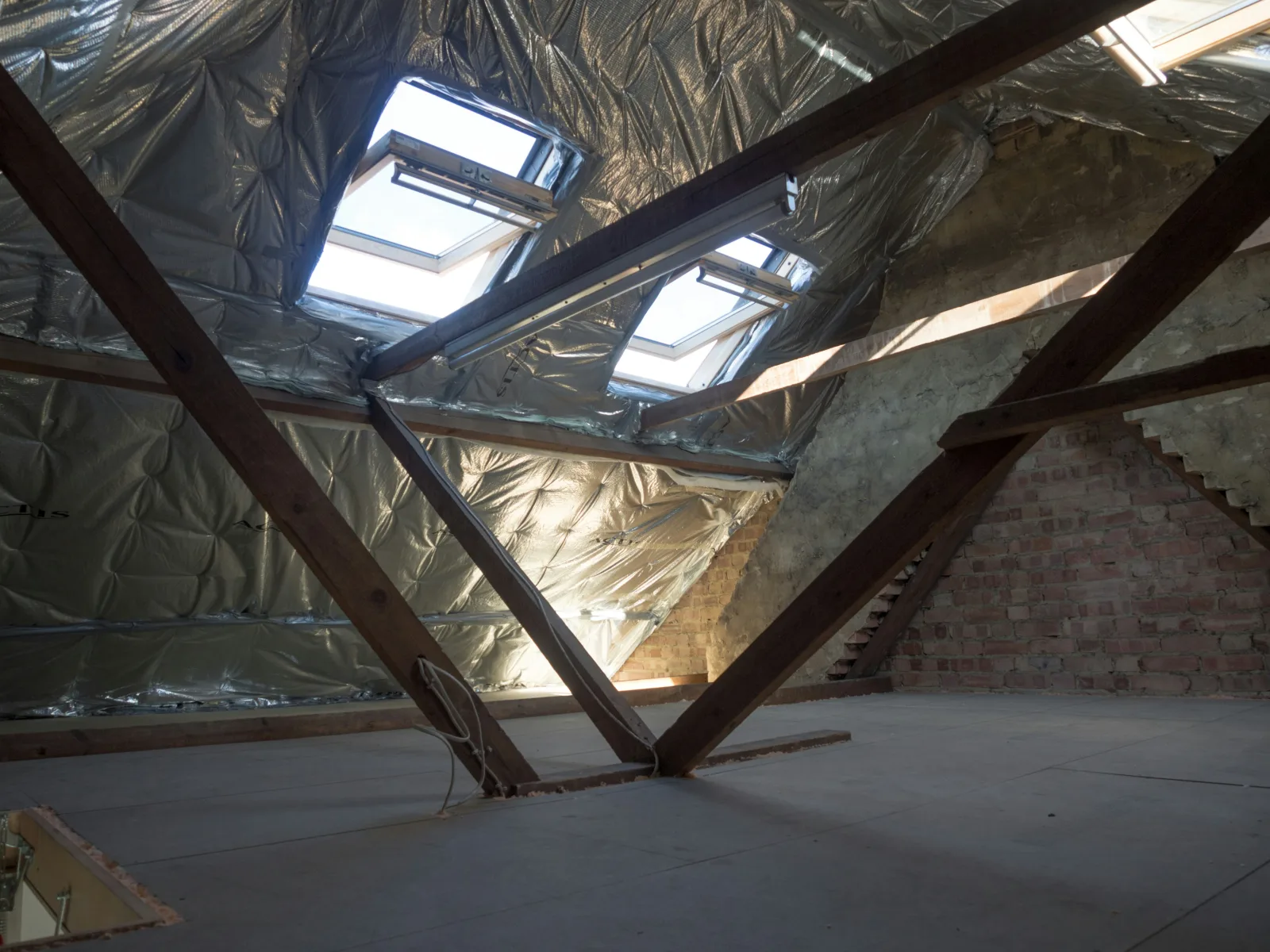
Water vapour rising from the interior can condense within roof layers. The vapour barrier helps preserve thermal insulation performance by controlling this moisture movement. This detail must not be neglected, particularly on flat roofs above heated spaces.
Common Installation Mistakes
- Water ponding due to insufficient slope
- Poorly resolved drain and parapet details
- Leaving open joints between thermal insulation boards
- Omitting the vapour barrier layer
- Failing to protect the waterproofing layer against mechanical impacts
Maintenance and Inspection
Periodic checks are important after flat roof insulation is completed. Keeping drains clear, monitoring cracks in coverings and correcting areas of water ponding extend the system's life.
Frequently Asked Questions
Does thermal insulation or waterproofing go first on a flat roof?
Layer order can vary according to system type. Conventional and inverted flat roof solutions have different details. Installation must therefore follow the design calculations and selected system.
Is a water test necessary?
Yes. A controlled water test after installation helps identify leakage risk at an early stage.
Conclusion: Flat roof insulation is a technical application requiring thermal insulation and waterproofing to be considered together. Correct layer order, suitable materials and detailed on-site checks deliver long-lasting performance.