It is not correct to give a single square-metre figure for external wall insulation prices in 2026 that applies to every building. The total cost comprises more than the thermal insulation board: alongside board type and thickness, facade condition, building height, scaffolding requirements, anchor and mesh selection, decorative coating, labour and application details directly affect the quotation. A meaningful comparison must consider the same system scope as well as the final quoted figure.
Why Does the Insulation Price per m² Vary Between Buildings?
Even where two buildings have similar external facade areas, their installation conditions may differ. An even, sound facade requires different preparation and labour from one with blistered render, cracks or numerous balcony and surround details. Similarly, a low-rise, easily accessible building will not have the same installation cost as a tall building on a narrow street or one requiring special scaffolding.
A single “external wall insulation price per m²” found online therefore often fails to show what the quotation includes. For a price to be meaningful, the material system, thickness, labour scope and excluded work must be clearly stated.
How Is External Wall Insulation Cost Calculated?
The basic calculation considers the net facade area together with the installation cost of the selected system. However, simply subtracting window and door openings from the total area is insufficient. Corner profiles, mesh reinforcement, sill connections and returns around these openings create additional labour.
A practical cost calculation must identify the following items separately:
- Gross external facade area and openings where insulation will not be applied
- Window, door, balcony, projection, parapet and plinth details
- Thermal insulation board type, thickness and technical class
- Adhesive, anchors, render mesh, corner profiles and render layers
- Decorative coating and exterior paint system
- Scaffolding, transport, surface repair and labour conditions
Preliminary quantities can be calculated from the design, but in older buildings an on-site facade inspection before a firm quotation is more reliable. Surface defects and access problems are often not fully apparent in photographs or architectural plans.
How Does Board Type Affect the Total Price?
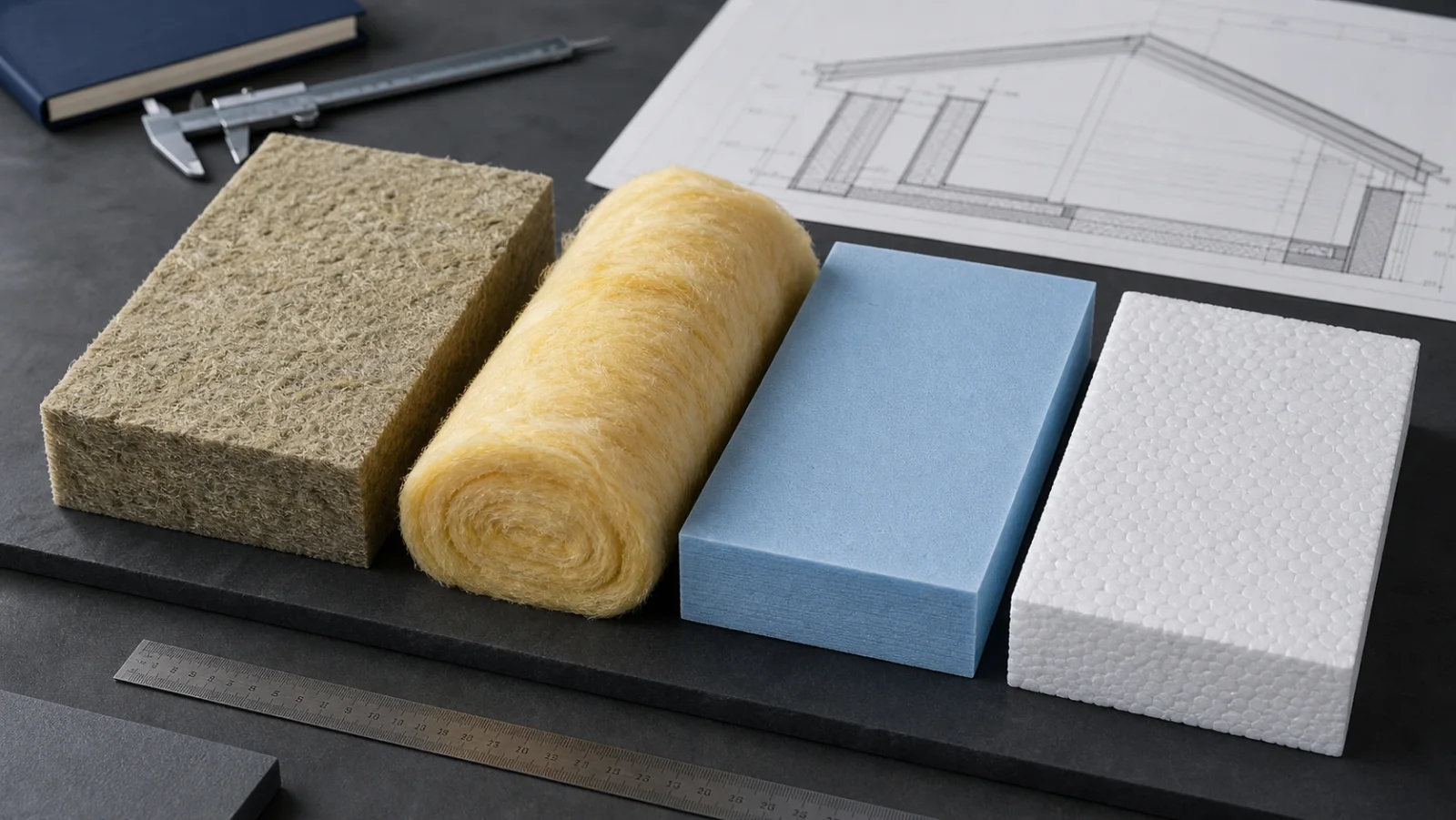
External wall insulation systems can use different boards such as EPS, graphite-enhanced EPS or stone wool. These products differ in weight, fire performance, vapour permeability, anchor requirements and installation method as well as purchase cost.
EPS and Graphite-Enhanced EPS Systems
EPS boards are lightweight products widely used in external wall insulation systems. Graphite-enhanced options may offer different thermal performance values. The term “EPS external wall insulation” alone is insufficient when comparing quotations: product thickness, thermal conductivity, density or product class, and the complementary system components must be specified.
Stone Wool External Wall Insulation Systems
Stone wool is considered for projects prioritising fire safety, vapour permeability and acoustic contribution. Due to board weight and surface structure, bonding, mechanical fixing and rendering must follow the system requirements. Comparing stone wool and EPS quotations solely by board cost is therefore misleading; all components and labour requirements of both systems must be considered together.
Why Must Insulation Thickness Be Stated in Price Comparisons?
Different thicknesses of the same material provide different thermal resistance. A quotation may appear cheaper because it uses thinner boards or a product with different technical properties. It must therefore state the board thickness together with thermal conductivity and, where possible, the full product name.
Suitable thickness must be determined according to the local climate, existing wall structure, project target and current thermal insulation calculations. Reducing thickness solely to minimise the initial cost can weaken the system's expected energy performance.
An External Wall Insulation System Is More Than Boards
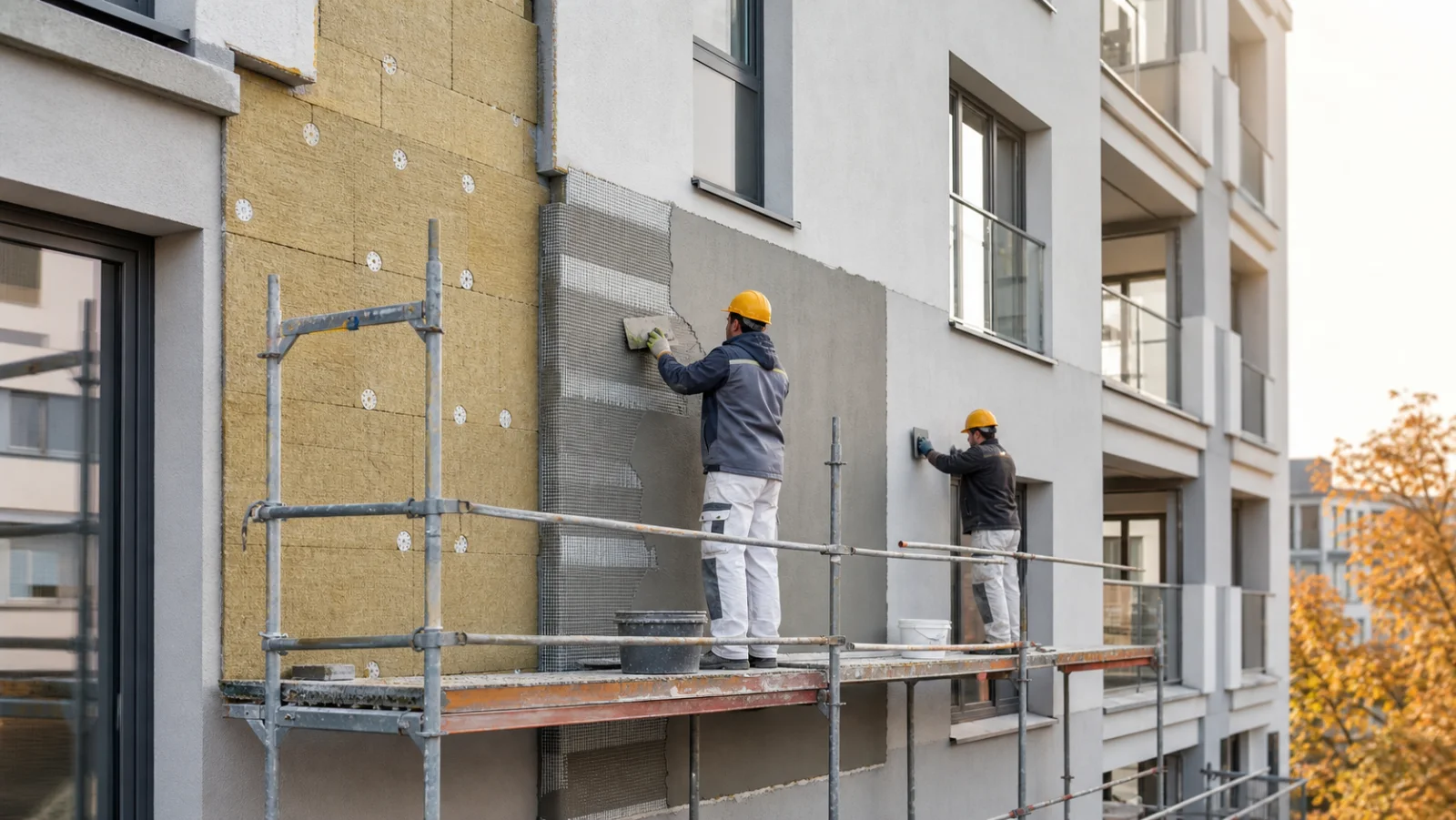
A durable facade system requires compatible layers to be installed together. Alongside the thermal insulation board, adhesive mortar, anchors suited to the substrate and board, alkali-resistant render mesh, corner and drip profiles, basecoat, primer and final finish determine system performance.
Omitting some complementary products from a quotation may make the initial price appear lower. However, this can cause additional costs during installation or the use of incompatible products. System components should therefore be stated with their brands and product classes where possible.
Facade Condition and Surface Preparation
Insulation boards must be installed on a sound, clean and load-bearing substrate. Old paint layers, blistered render, deep cracks, moisture damage and surface defects must be addressed beforehand. A building requiring facade repairs has a different labour scope from a newly rendered building.
When obtaining a quotation, clearly ask whether surface repairs are included, the level of repair covered and how unexpected damage will be priced. This reduces uncertainties that may arise after installation begins.
Scaffolding, Building Height and Facade Geometry
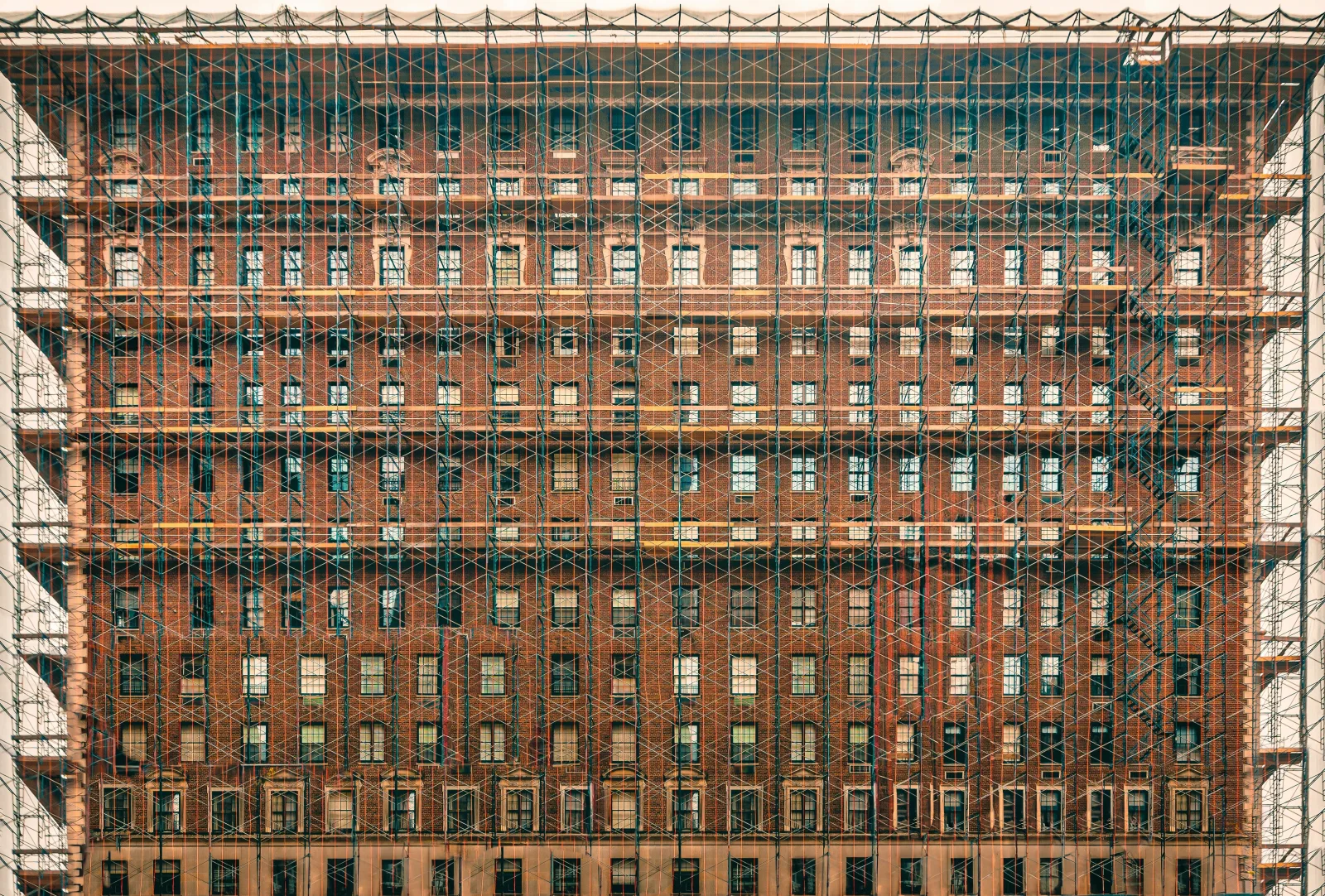
Building height, facade access and surrounding safety affect scaffolding cost. Narrow streets, adjoining buildings, sloping ground, numerous balconies or complex facade geometry can increase setup and working time. The scope of scaffold netting, pedestrian safety, working platforms and required permits must also be explained in the quotation.
Quick comparisons based only on total facade area can overlook these conditions. An on-site survey allows access and safety requirements to be assessed at the outset.
Where Does Workmanship Quality Fit Into the Price?
Product quality alone does not determine insulation performance. Boards must be staggered without open joints, anchors correctly positioned, diagonal mesh reinforcement installed at window corners, and profile details and render layers correctly applied.
The difference between a lower quotation and a quality quotation sometimes comes from these hidden installation steps. When choosing a contractor, assess the specified system, the crew's experience, site inspections and warranty scope alongside price.
What an External Wall Insulation Quotation Must Include
- Net or approximate application area and the measurement method
- Thermal insulation board type, thickness and full product description
- Adhesive, anchor, mesh, profile, render, primer and finish details
- Scope of facade repairs and surface preparation
- Scaffolding, transport, occupational safety and surrounding protection items
- Scope of window, sill, balcony, parapet and plinth details
- Installation duration, payment schedule and warranty conditions
- Clear description of taxes and work that may be priced later
How Do You Compare Two Insulation Quotations?
When placing quotations side by side, first check whether materials and thicknesses match. Then check whether both include complementary products, surface preparation, scaffolding and detail work. If their scopes differ, directly comparing the totals will not produce a valid result.
The most reliable method is to request quotations from contractors against the same technical specification. This makes it easier to see whether differences arise from material quality, labour or excluded items.
Frequently Asked Questions
Can a firm insulation price be given without seeing the building?
Preliminary calculations can use plans, dimensions and photographs, but a figure given without inspecting facade damage, access, scaffolding needs and detail complexity should not be treated as a firm quotation.
Does the insulation price per m² include paint?
Scope may vary between quotations. The quotation must clearly state whether the decorative final coating, primer and paint system are included.
Are stone wool and EPS insulation priced in the same way?
No. Board technical properties, weights, fixing methods and installation requirements differ. Comparisons must cover all components of each system.
Should the lowest insulation quotation be chosen?
Choosing solely by the lowest total is risky when scope, product thickness, accessories, surface preparation and warranty conditions differ. Technical scopes must first be made comparable.
How are accurate insulation quantities calculated?
Gross facade area, openings and surfaces excluded from installation are identified; details creating additional labour, such as window perimeters, surrounds, balconies, parapets and plinths, are measured separately. An on-site survey is recommended for definitive quantities.
Conclusion: When assessing external wall insulation prices in 2026, the right question goes beyond “how much per square metre?” A figure is not meaningful on its own without knowing the board, thickness, accessories and facade preparation involved. Erk İzolasyon can help define a comparable quotation scope by assessing system components and quantities together according to project and facade conditions.