
External wall thermal insulation is one of the most important applications directly affecting a building's energy consumption and indoor comfort. Choosing the right system involves more than selecting thick boards; building type, climate conditions, fire safety, facade details and installation quality must be assessed together.
What Is the First Criterion in External Wall Insulation?
The first criterion is identifying the building's needs correctly. A new building and a renovation project on an existing building may require different solutions. Facade substrate, building height, wind load, water exposure risk and target energy performance affect material selection.
When Is EPS Preferred?
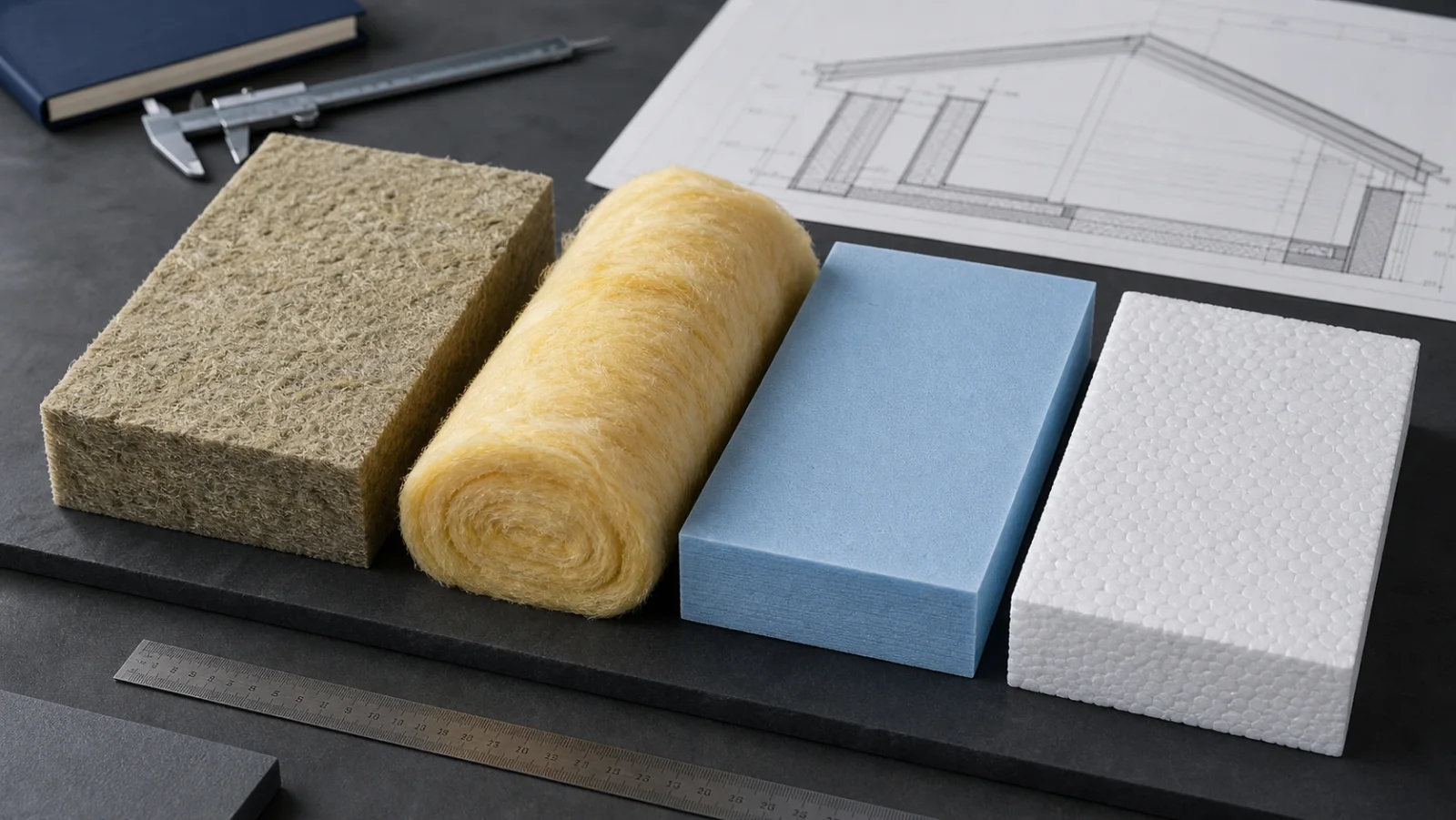
EPS boards are frequently chosen for economical, lightweight external wall insulation solutions. They are easy to install, with widely available products and accessories for facade systems. Graphite-enhanced EPS products can provide higher performance in thinner sections through lower thermal conductivity values.
- Advantage: Affordable cost and easy installation
- Consideration: Fire and detail solutions must be designed to suit the project
Where Does XPS Stand Out?
Low water absorption and high compressive strength make XPS a strong option for floors, foundations, plinths and areas at high risk of moisture. It should not be treated as the standard solution for every point on a facade; it should be considered particularly in details requiring water, impact and mechanical resistance.
Why Is Stone Wool Used?
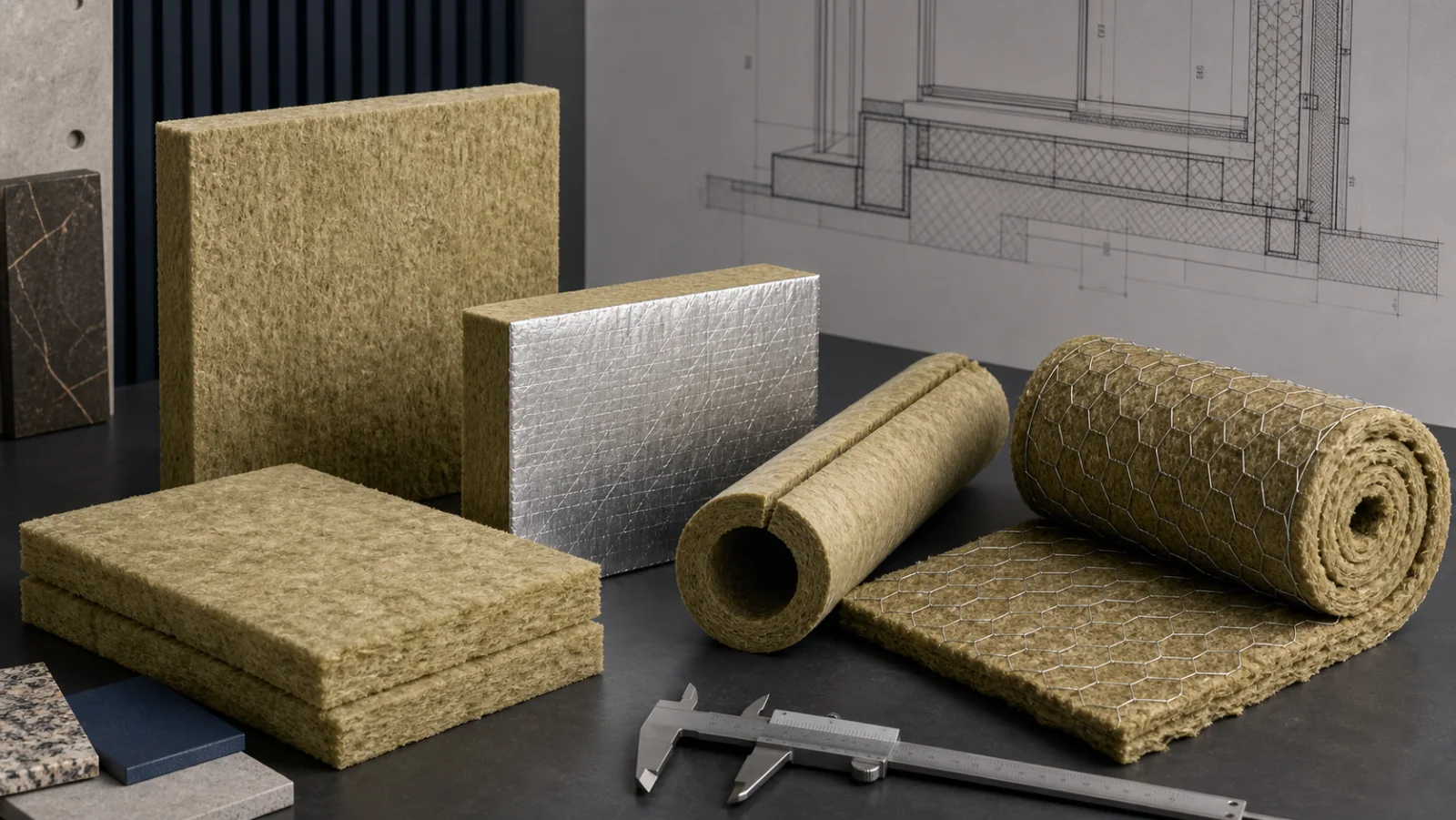
Stone wool is a strong external wall insulation material for fire safety, vapour permeability and acoustic performance. It stands out particularly in high-rise buildings, public buildings, hotels and projects prioritising fire safety.
- A1-class non-combustible mineral structure
- Suitability for vapour-permeable facade design
- Contribution to sound insulation
Installation Details Determine Performance
Even with the correct material, poor installation reduces system performance. Staggered board placement, anchor quantity, mesh-reinforced render thickness, corner profiles and window perimeter details must all be checked.
A Short Material Selection Checklist
- Have building height and fire safety needs been assessed?
- Have facade areas exposed to water and impact been identified?
- Was thermal insulation thickness selected according to design calculations?
- Are the adhesive, anchors, mesh and final finish compatible with the system?
- Have special detail solutions been prepared for thermal bridges?
Frequently Asked Questions
What is the best external wall insulation material?
There is no single correct answer. EPS stands out for economical solutions, XPS for details requiring moisture resistance and compressive strength, and stone wool for facades prioritising fire safety and vapour permeability.
Is thickness alone enough?
No. Thermal conductivity, installation quality and continuity of details matter as much as thickness.
Conclusion: External wall thermal insulation must be considered in terms of both materials and system integrity. Correct product selection, quality installation and detail checks improve energy savings, comfort and building life together.