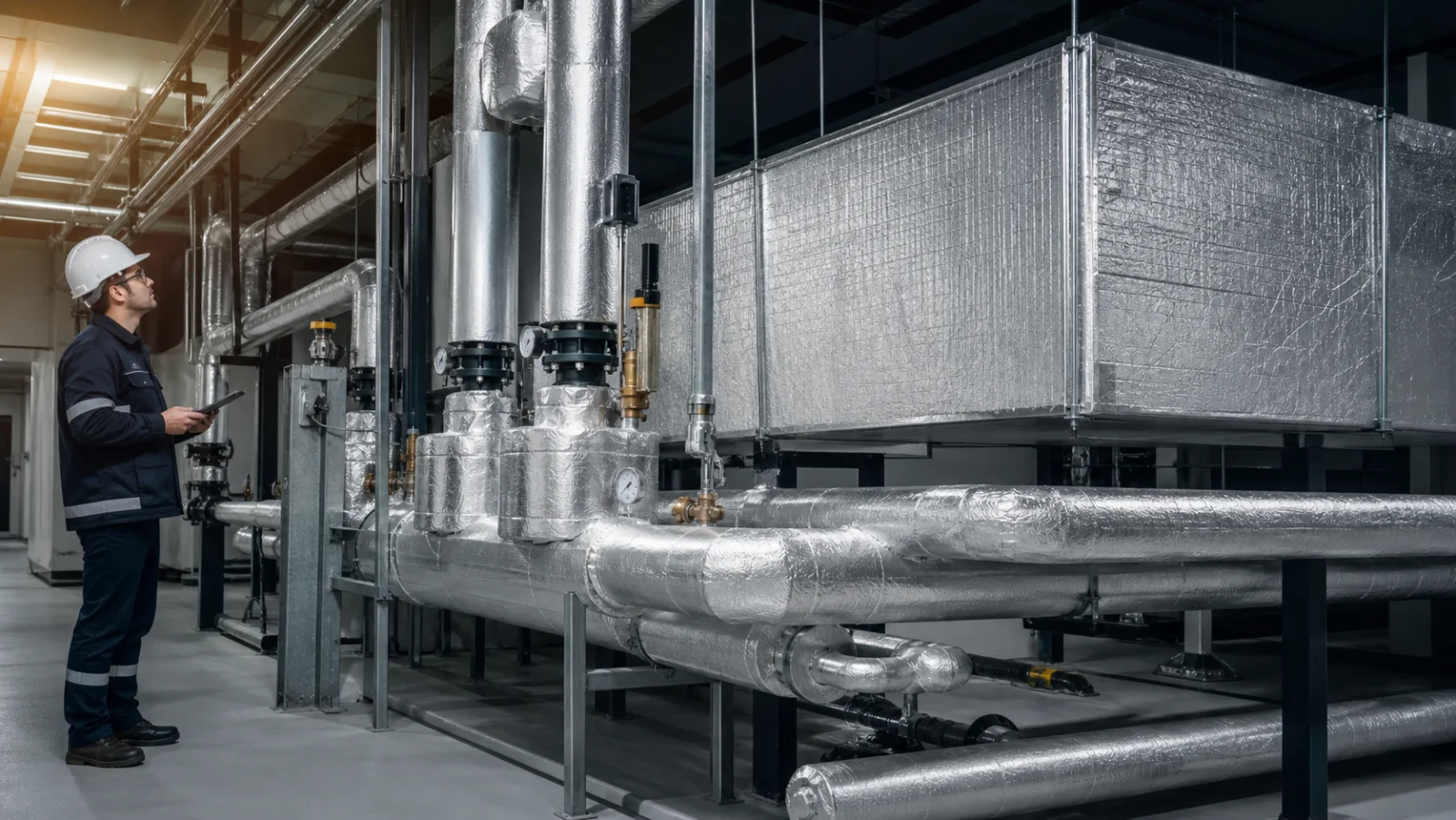
In industrial facilities, insulation is critical to production efficiency as well as comfort. Technical insulation on pipelines, boilers and equipment greatly reduces energy losses.
The Aims of Technical Insulation
- Reduce heat losses
- Prevent condensation and corrosion
- Improve worker safety
- Lower operating costs
Insulation on Hot Lines
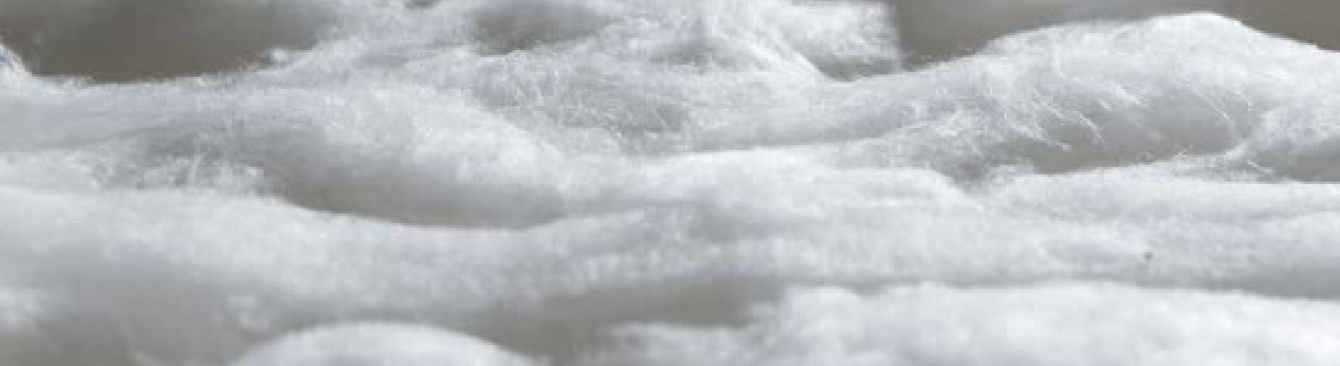
Steam lines and boilers must be insulated with materials resistant to high temperatures. Stone wool and ceramic wool are the most frequently chosen solutions in this area.
Insulation on Cold Lines
Condensation risk is high on cooling lines. Closed-cell materials such as rubber foam provide moisture control.
How Is Insulation Thickness Selected?
The optimum thickness is determined by considering pipe diameter, fluid temperature and ambient conditions. The aim is to minimise heat loss while balancing investment cost.
CUI (Corrosion Under Insulation) Risk
Corrosion under insulation is one of the greatest risks in industrial facilities. Correct cladding, waterproofing and regular maintenance minimise this risk.
Financial Payback
A properly installed technical insulation investment pays back within 6–18 months in most facilities. Rising energy prices are shortening this period further.
Conclusion: Industrial insulation is essential for production safety and sustainability as well as energy savings.