
Fire safety is one of the most critical issues in building design. The “Regulation on the Protection of Buildings from Fire” clearly defines the fire classes and application areas of insulation materials.
Fire Classes and Material Selection
What Are Fire Classes?
Insulation materials are classified according to EN 13501-1. A1-class materials are non-combustible, while A2 materials are very difficult to ignite. Classes B, C and D offer lower fire resistance.
Advantages of A1-Class Materials
- Prevent fire spread
- Reduce smoke and toxic gas formation
- Maintain structural integrity at high temperatures
Regulations and Application
What Does the Regulation Say?
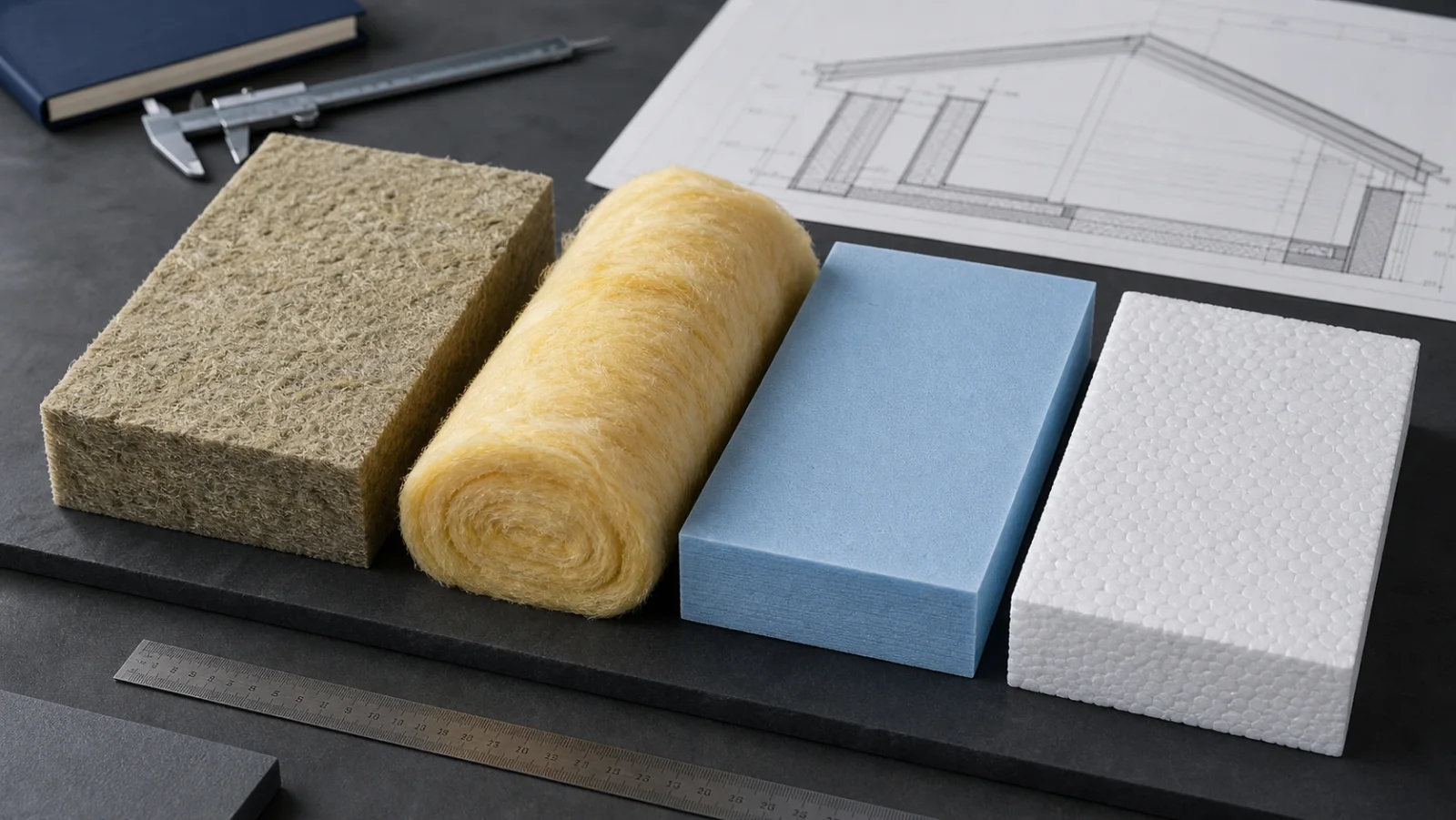
A1-class materials are mandatory for external wall insulation in high-rise buildings, hospitals, hotels and public buildings. Foam materials such as EPS and XPS may only be used together with fire barriers.
Installing Fire Barriers
On facades using EPS or XPS, stone wool strips are installed at specified floor intervals to prevent fire spread. This is one of the most critical installation requirements in the regulations.
Certification and Inspection
When choosing materials, products must be checked for conformity with CE and TS EN standards. Post-installation inspections ensure the building complies with safety standards.
Energy Efficiency
Fire Insulation and Energy Efficiency
A1-class insulation materials contribute to energy efficiency through thermal and sound insulation as well as safety.
Conclusion: Fire insulation is a necessity for protecting life and property as well as a regulatory requirement. Correct material selection and installation in accordance with regulations are vital.