Acoustic comfort is an essential part of modern living. Noise pollution affects both mental and physical health. Correct sound insulation and acoustic treatment improve comfort in living and working spaces.
The Difference Between Sound Insulation and Acoustic Treatment
Sound insulation prevents external sound from entering or internal sound from escaping. Acoustic treatment controls echoes and reverberation within a space.
Types of Sound
- Airborne sound: Speech, music, television
- Impact sound: Footsteps, dragging furniture
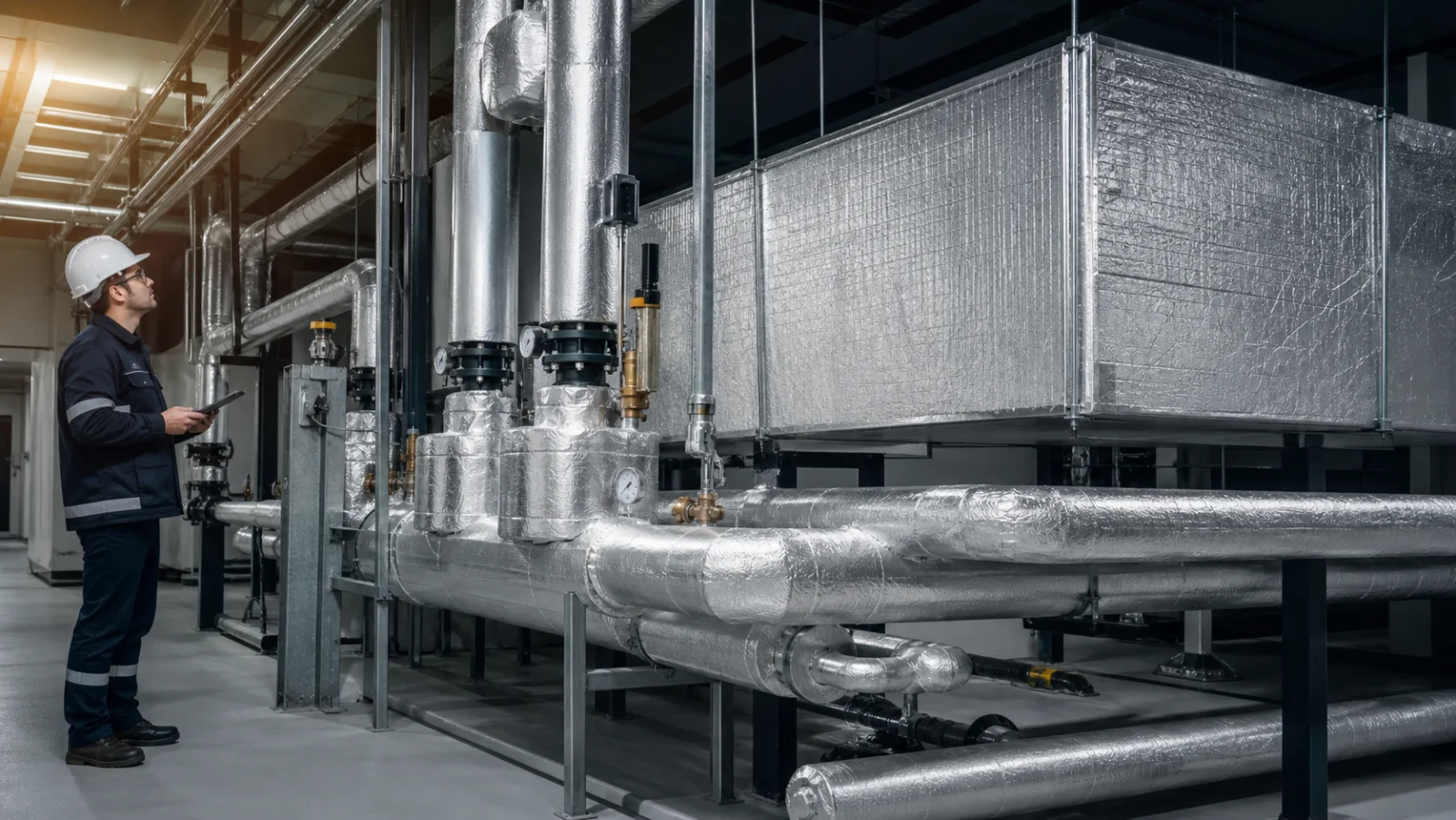
- Vibration-borne sound: Mechanical equipment
Sound Insulation in Homes
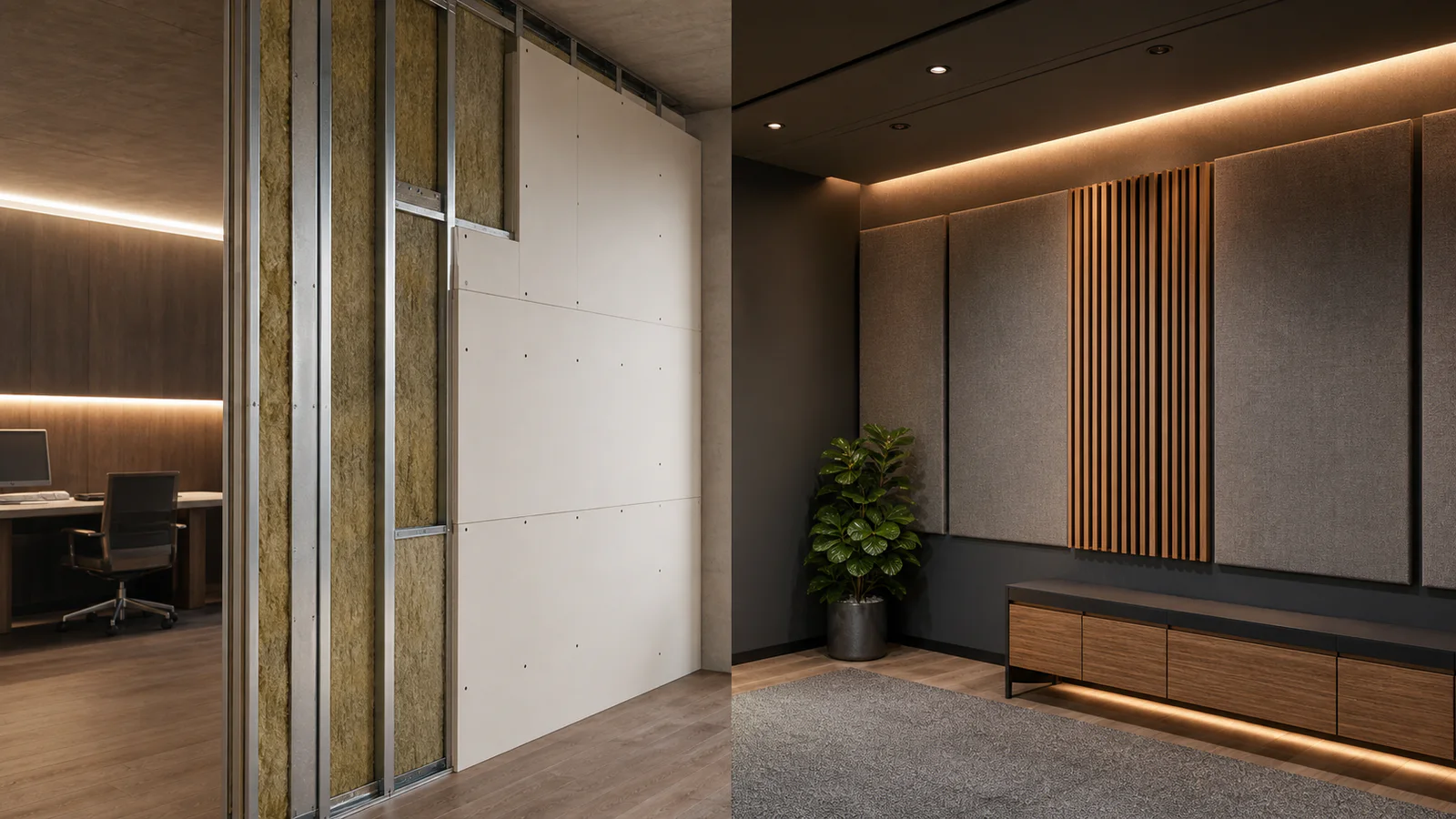
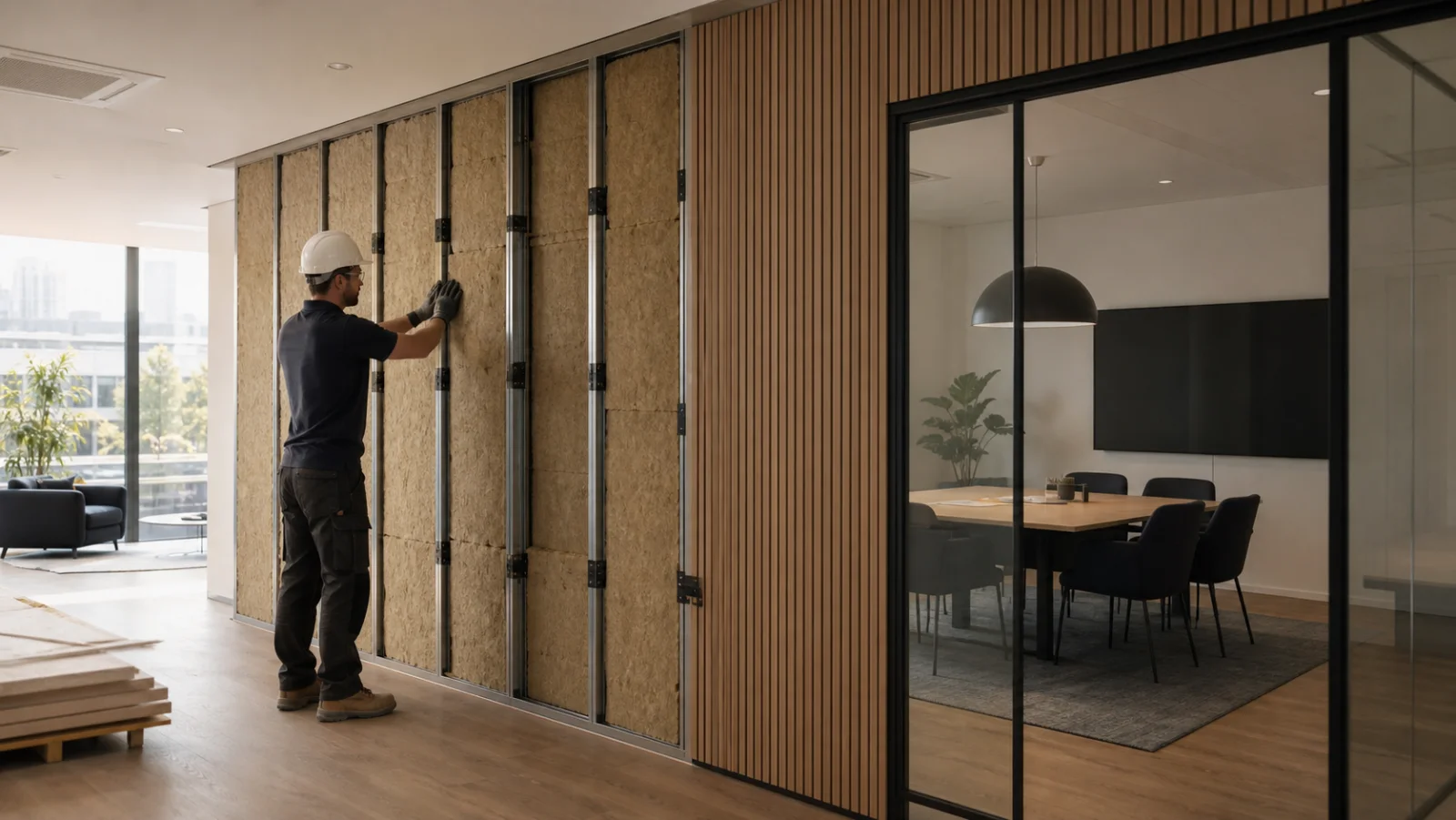
- Party Walls: Wall lining system + stone wool + acoustic barrier
- Floors: Sound insulation blankets beneath screed
- Windows: Laminated acoustic glass and sealing
Acoustic Comfort in Offices
Echoes and background noise in open-plan offices reduce employee productivity. Ceiling panels, acoustic wall coverings and divider panels are effective solutions.
The Acoustic Foam Myth
Acoustic foam does not block sound; it reduces reverberation. It is therefore insufficient on its own to prevent sound reaching neighbours. The “mass-spring-mass” principle should be applied in sound insulation.
The Mass-Spring-Mass Principle
This method places a flexible, dense insulation layer between two rigid layers. Vibration and sound transmission are greatly reduced.
Material Selection and Installation
- Stone Wool: Thermal and sound insulation through high density
- Acoustic Barrier: A heavy layer that blocks sound transmission
- Elastic Connections: Reduce vibration bridges
Conclusion: Acoustic comfort is achieved through proper planning and material selection. Sound insulation must be addressed professionally for healthy, peaceful and productive living spaces.